Archives for category: Uncategorized

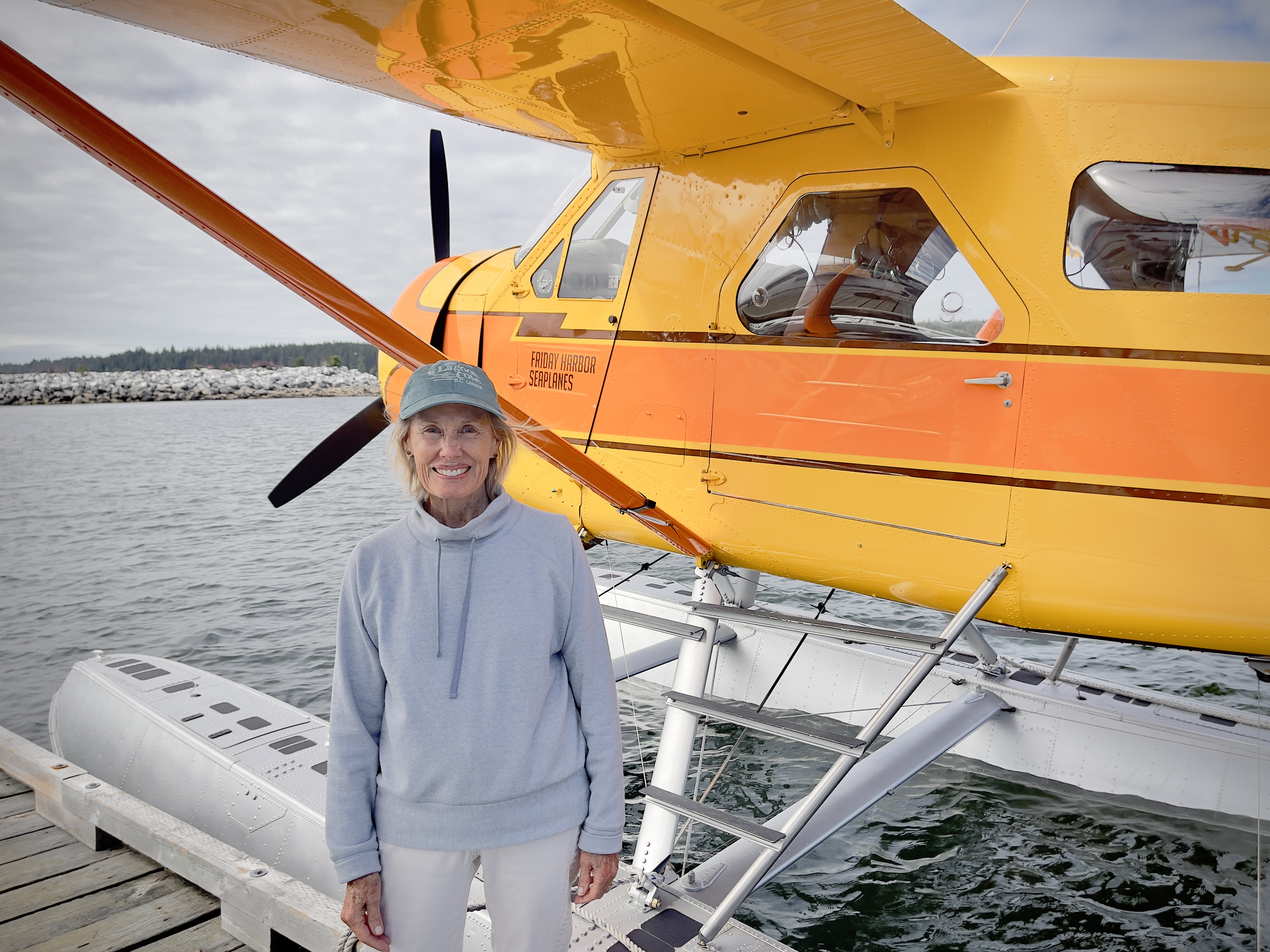
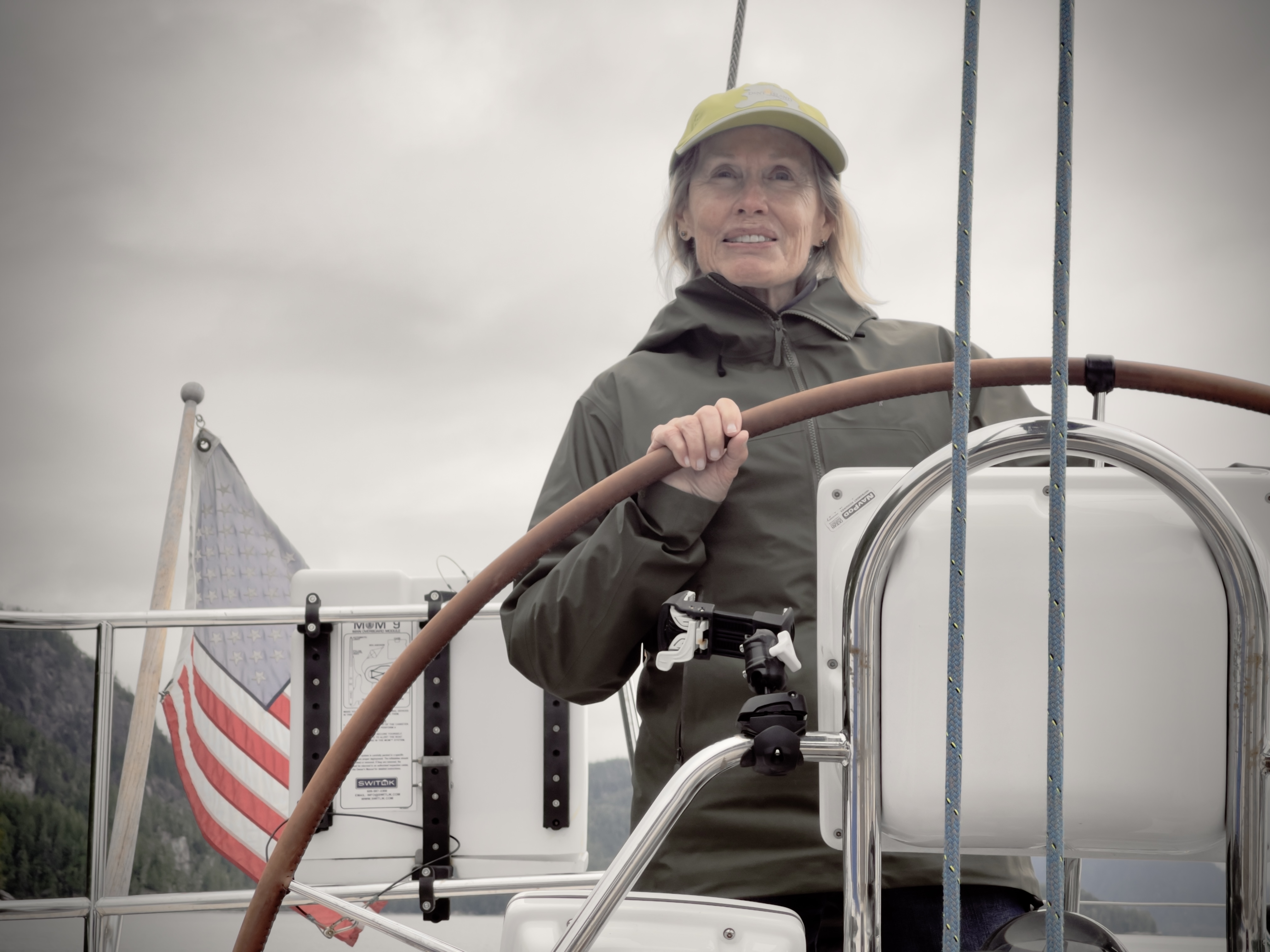
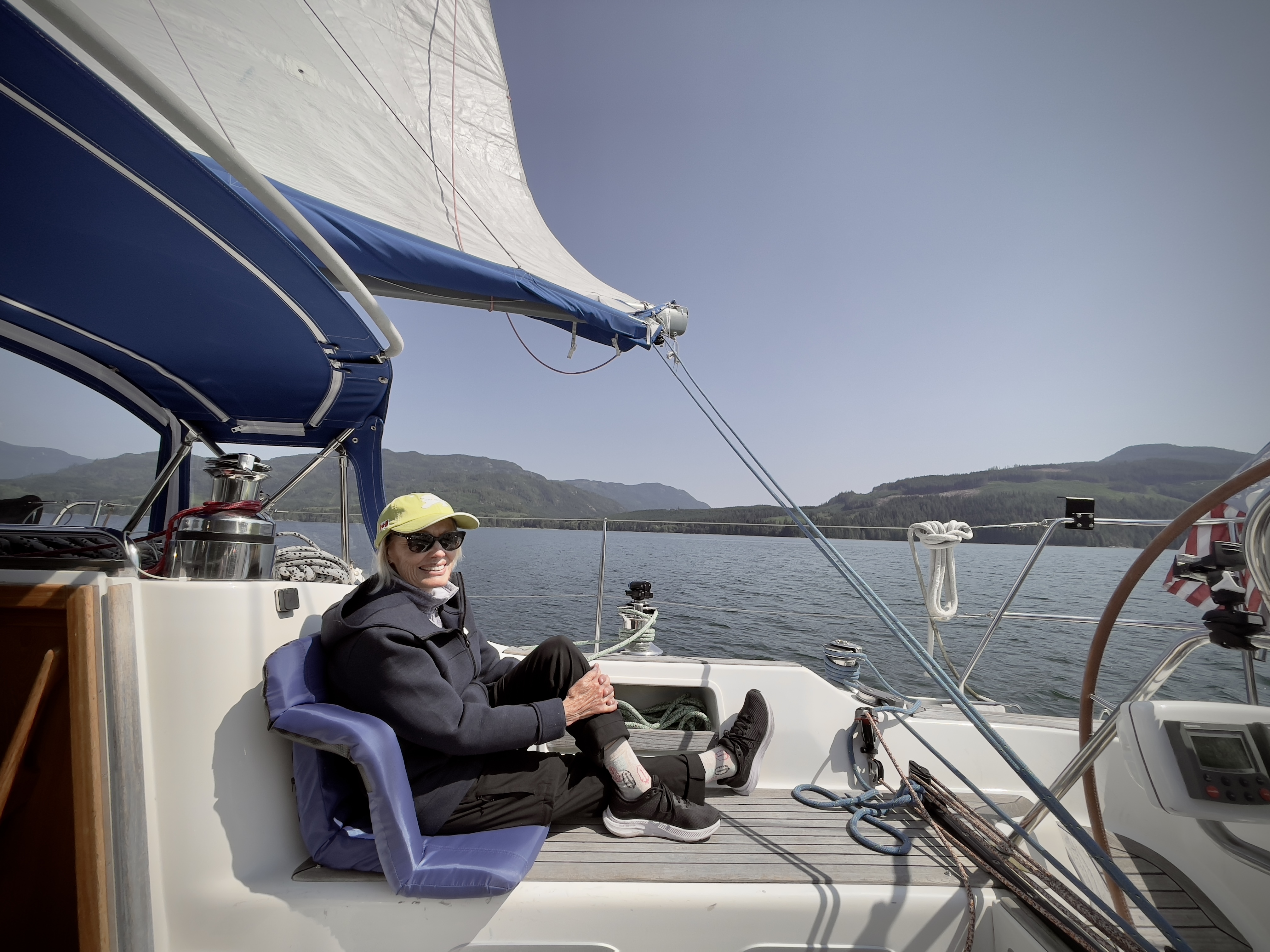
After five weeks on Williwaw, Elizabeth is taking a floatplane in Port McNeil back to Seattle. It’s also time for me to go back to Seattle. Without a headsail, the inside passage is the best option. I was tempted to go around on the West side of Vancouver Island, but that route will have to wait for another time. We have enjoyed these days in the water on Williwaw and we are grateful to her for taking care of us and for being so seaworthy.
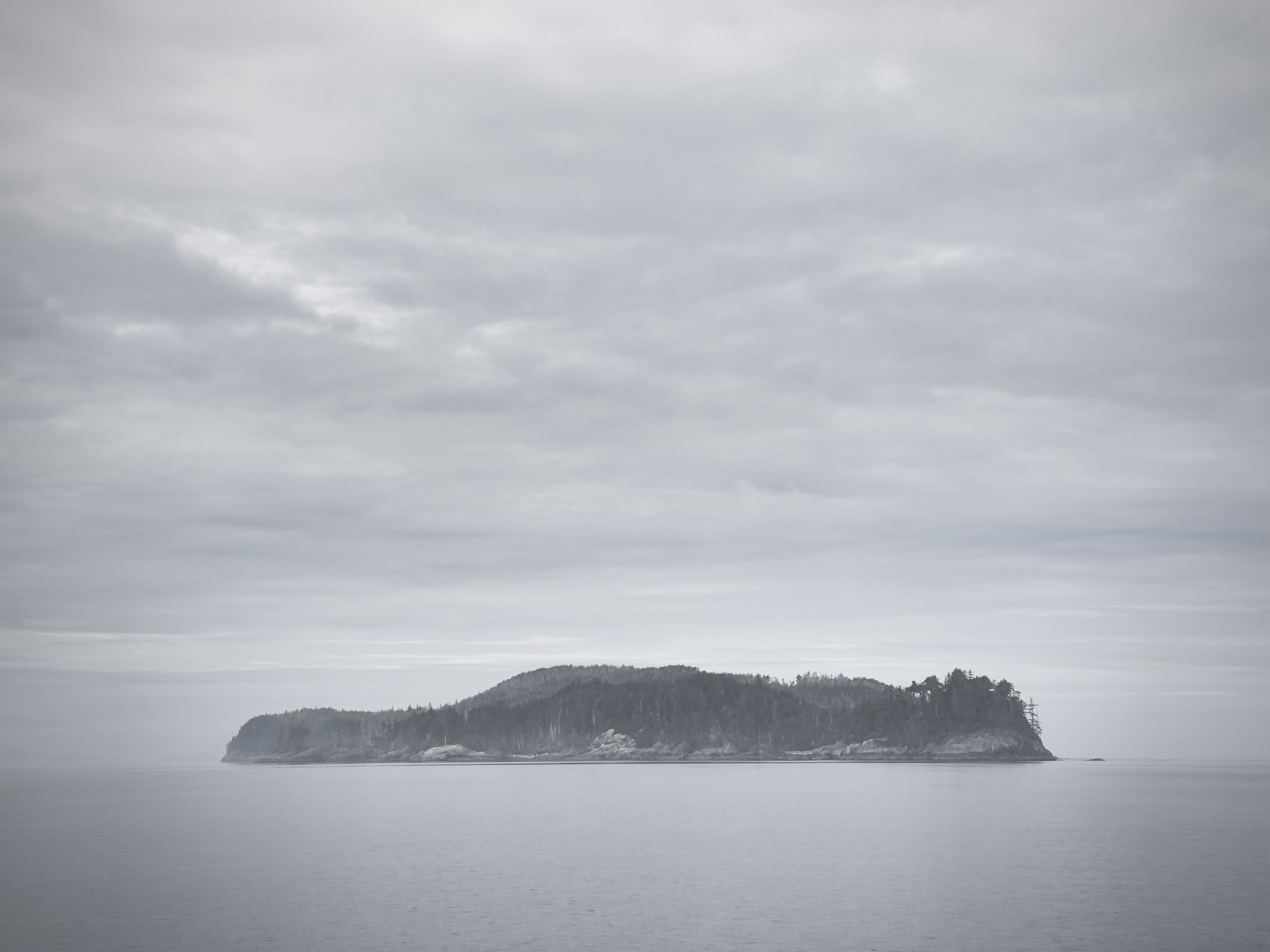
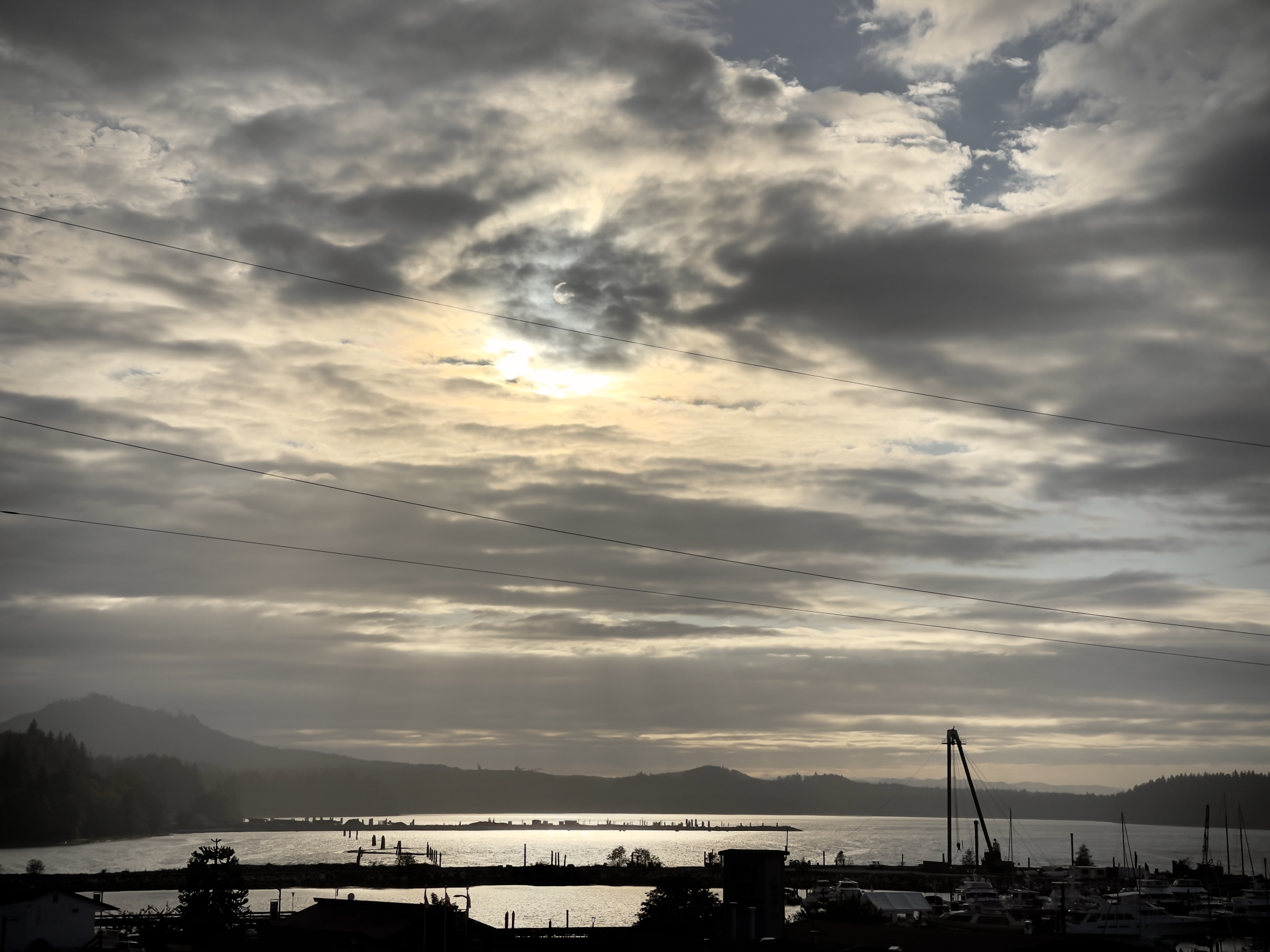
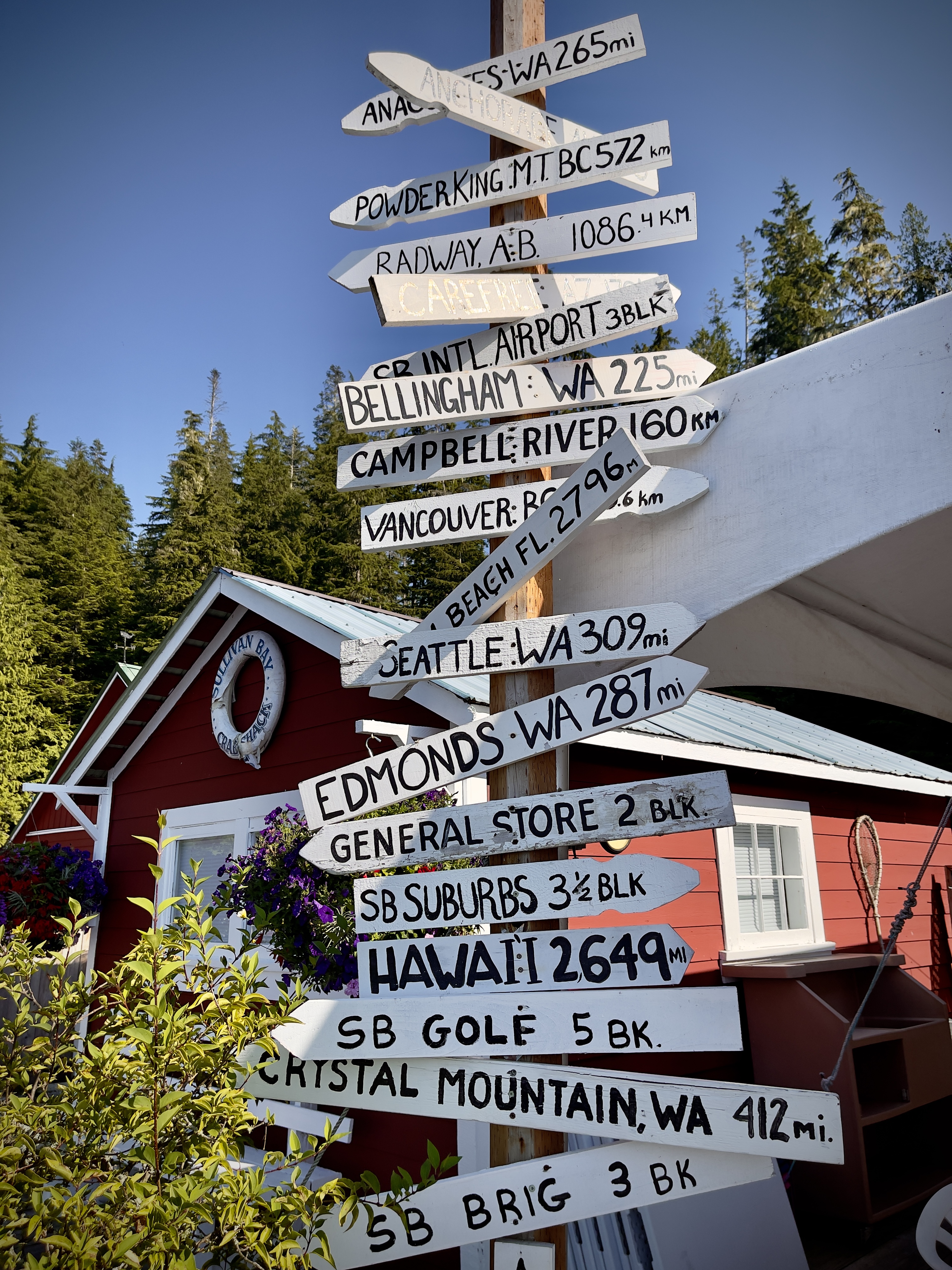
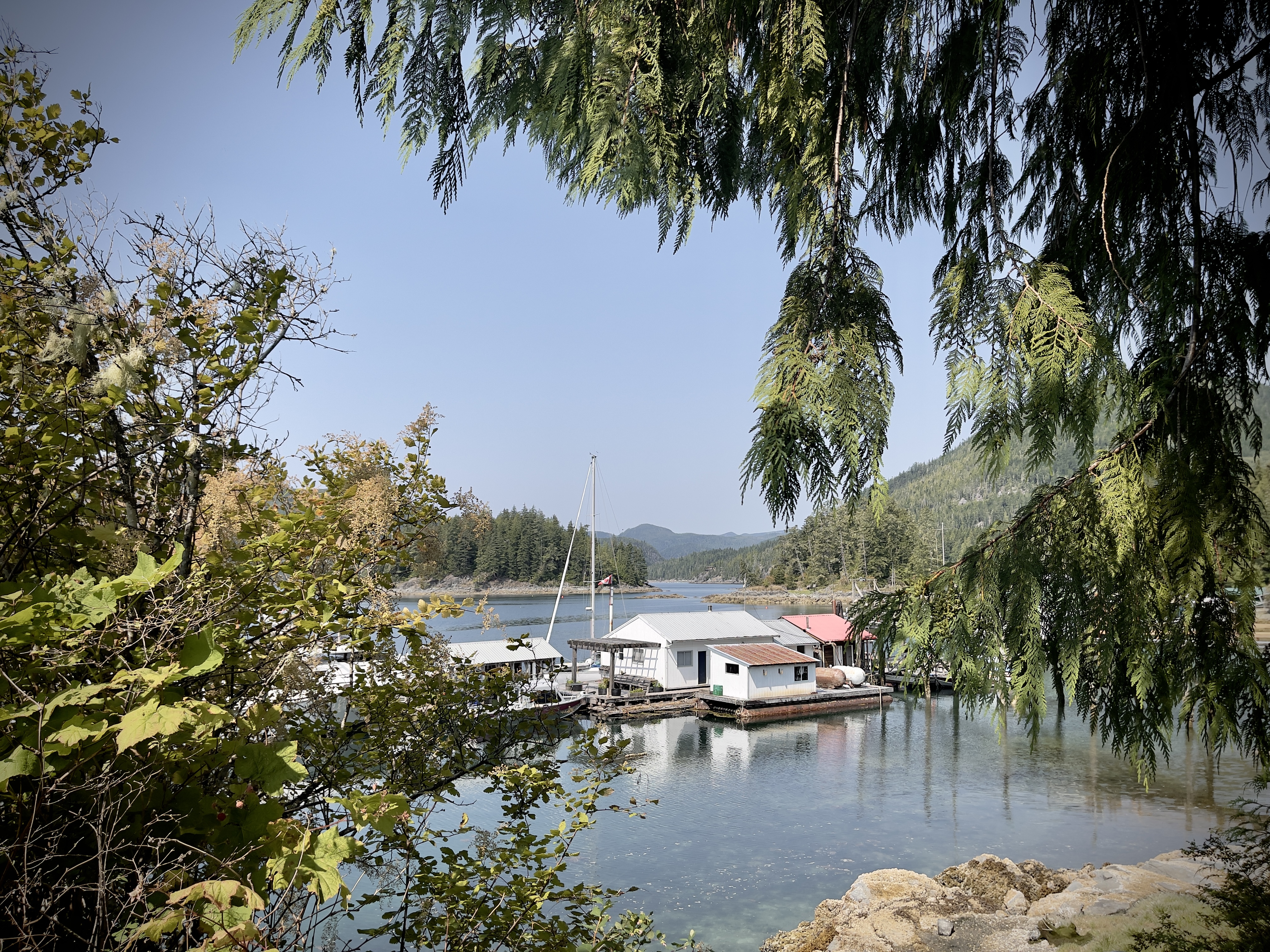
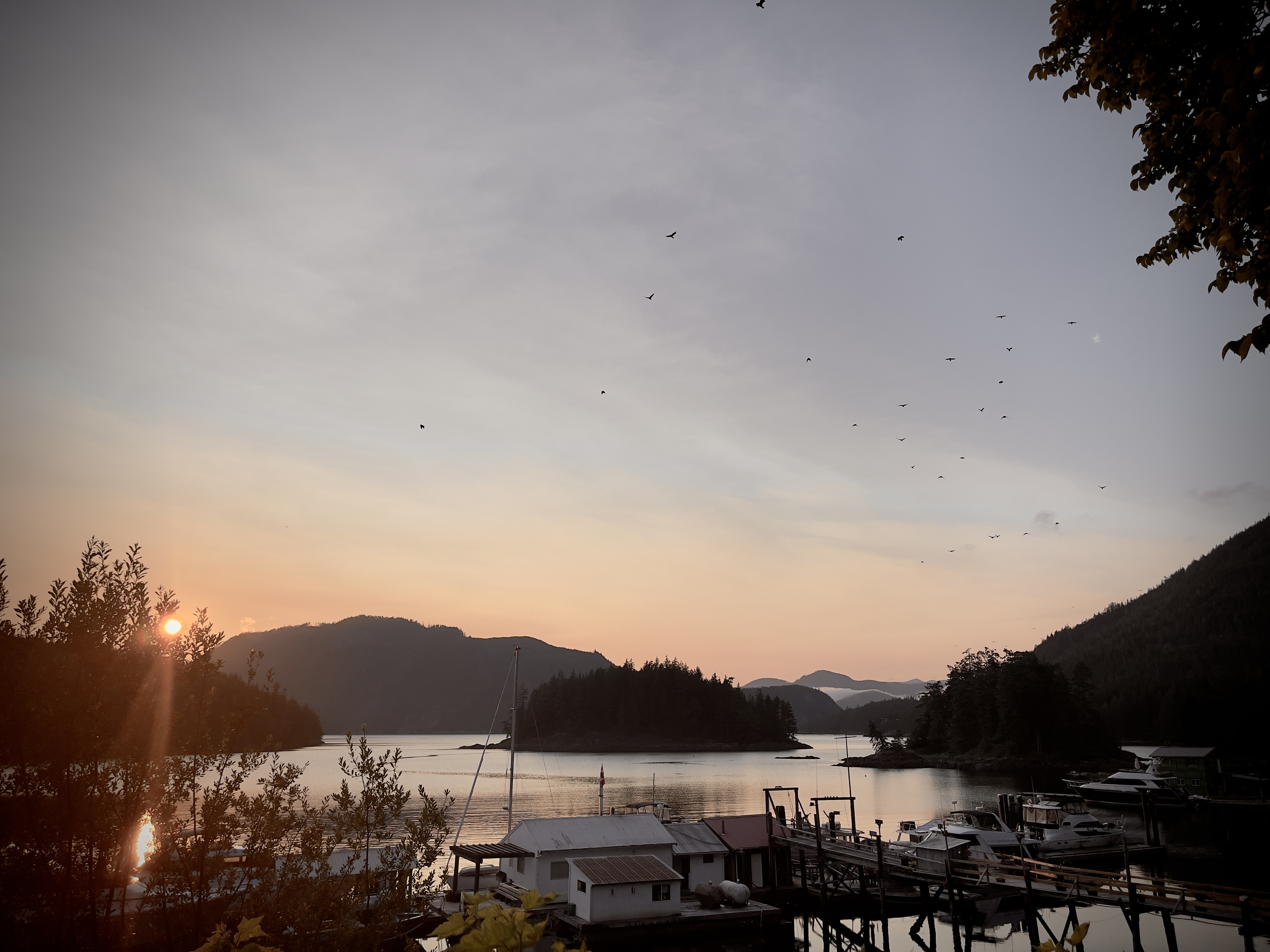
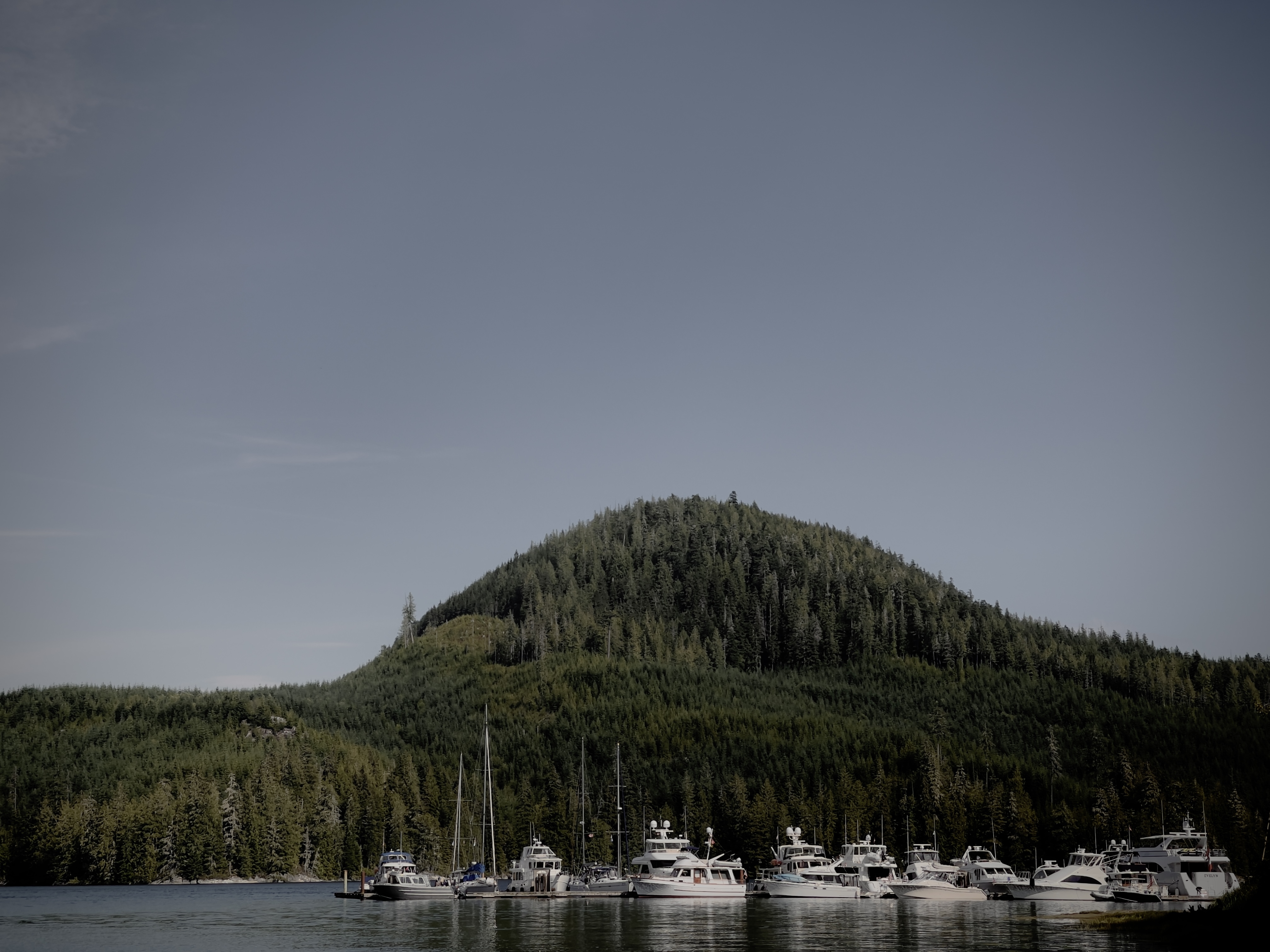
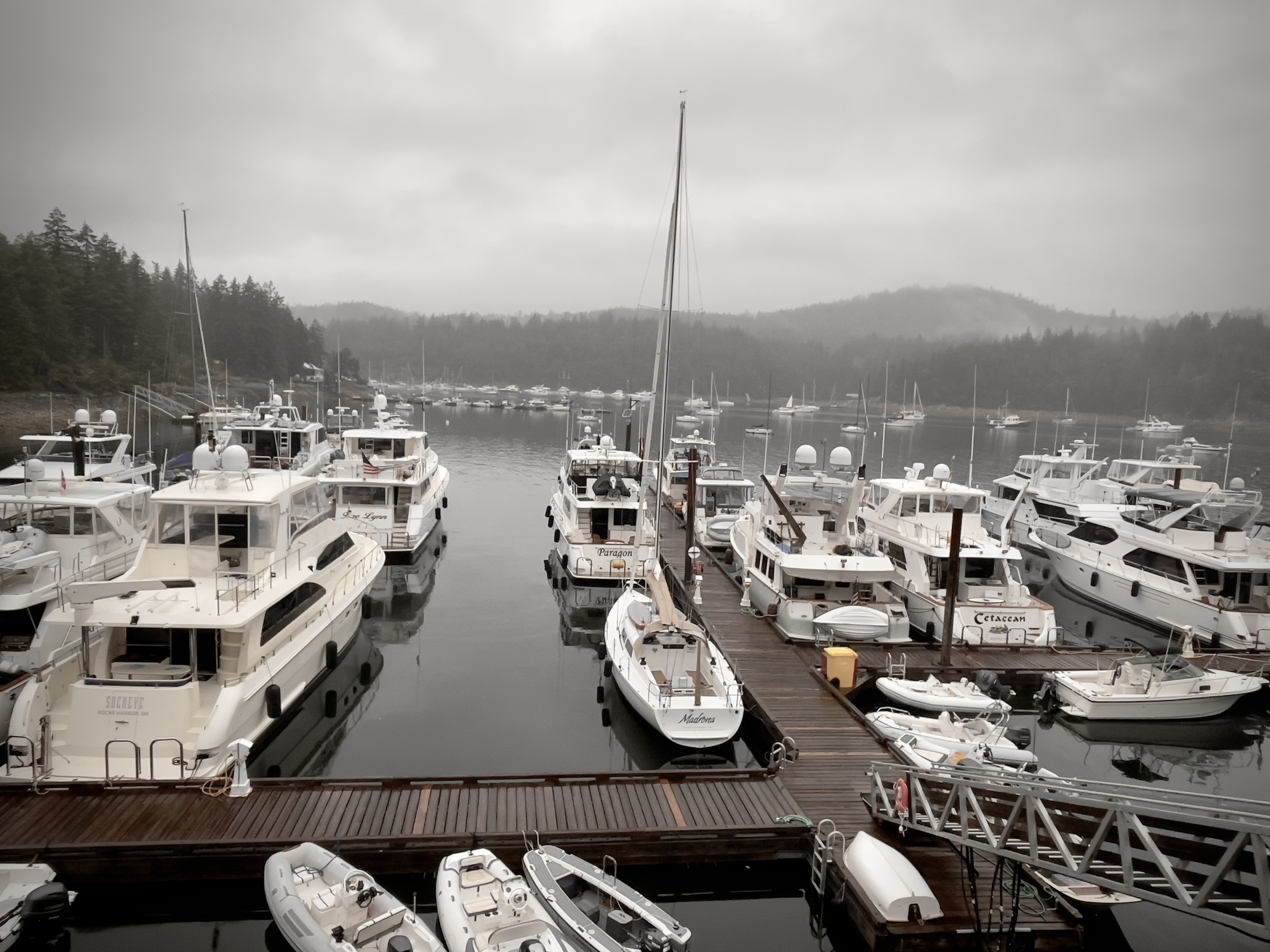
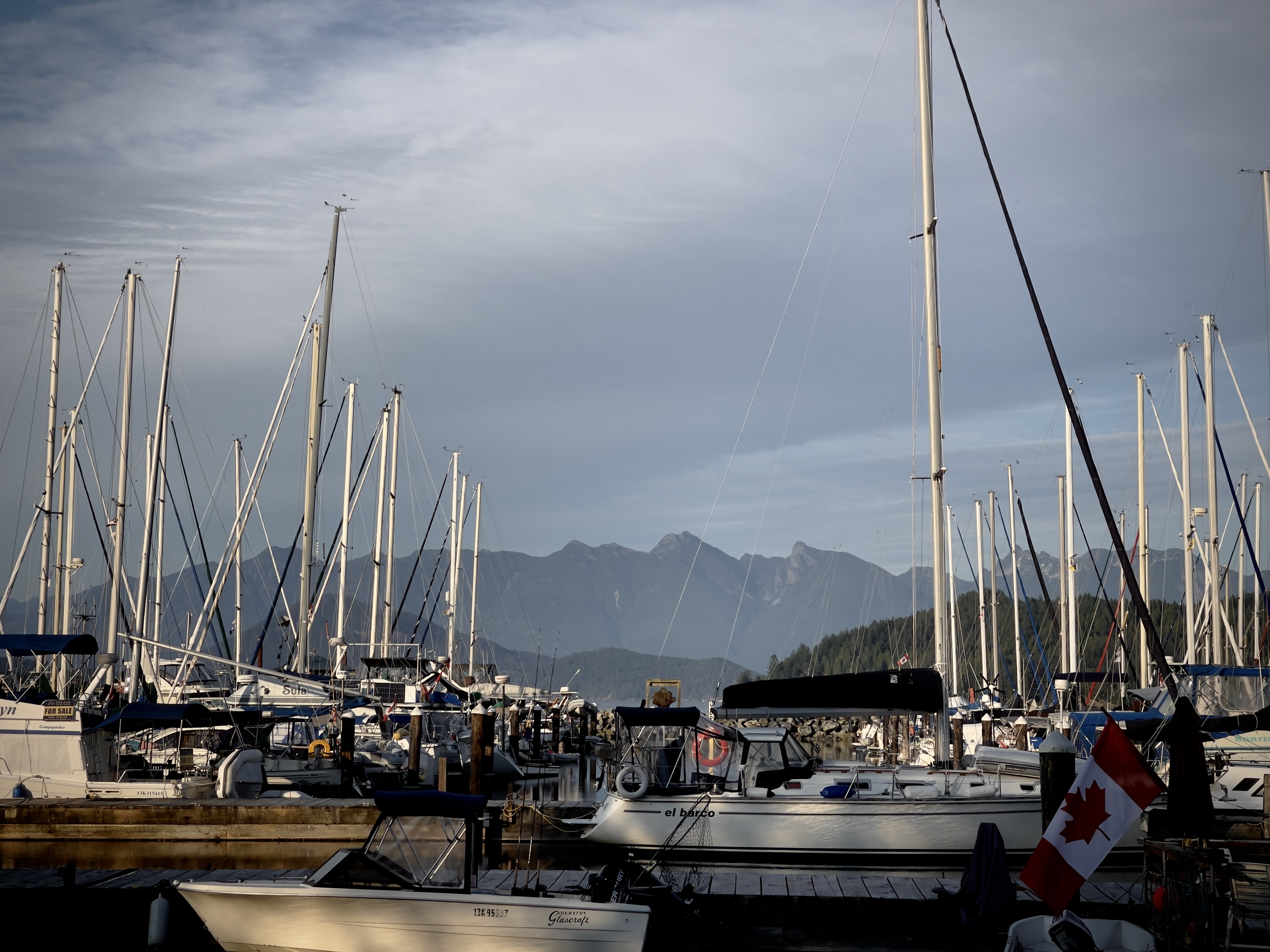
Sullivan Bay Marina is a floating community with a marina. One wonders how these places do in the middle of winter in these high latitudes… Unique place for sure.

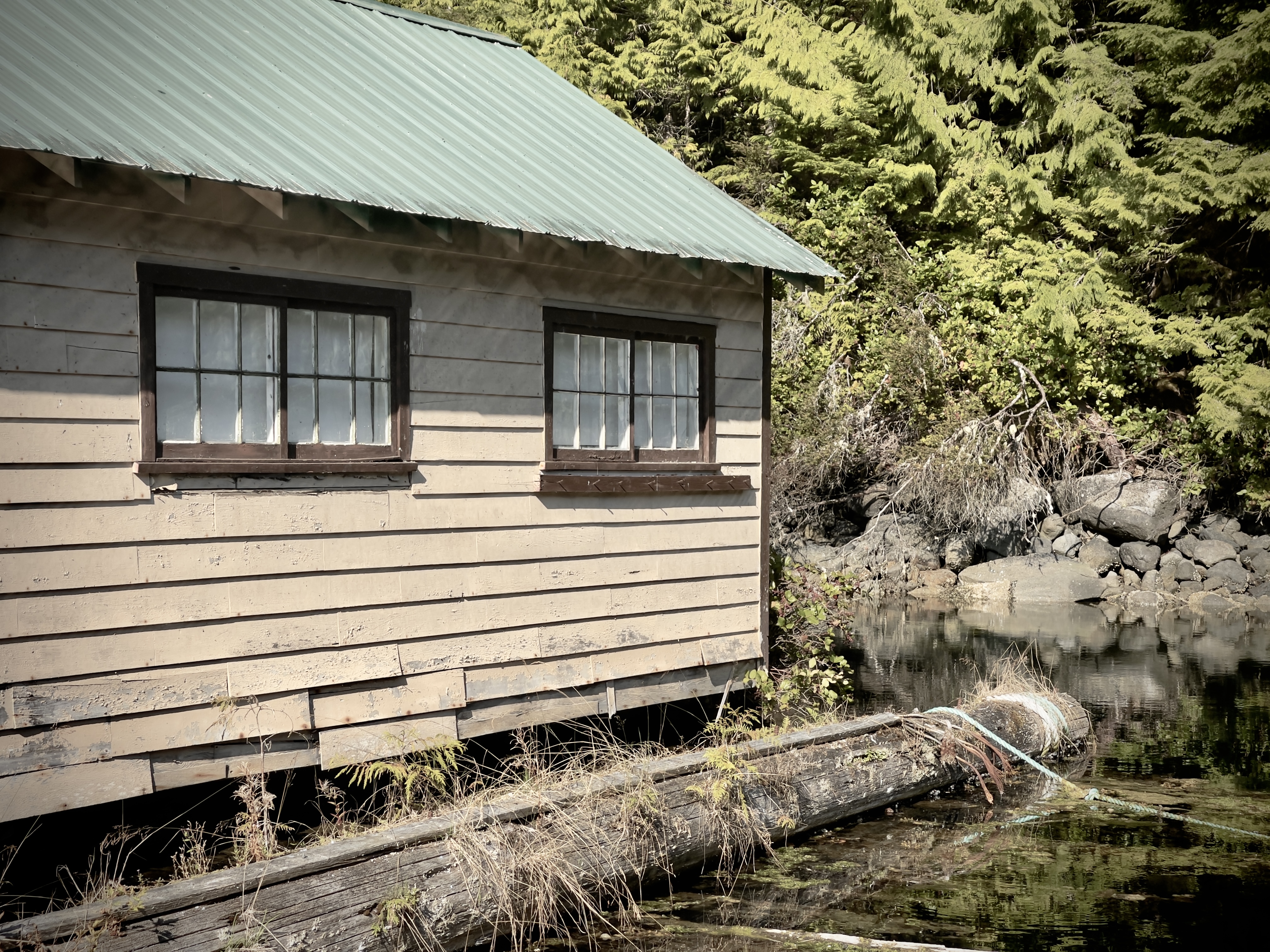
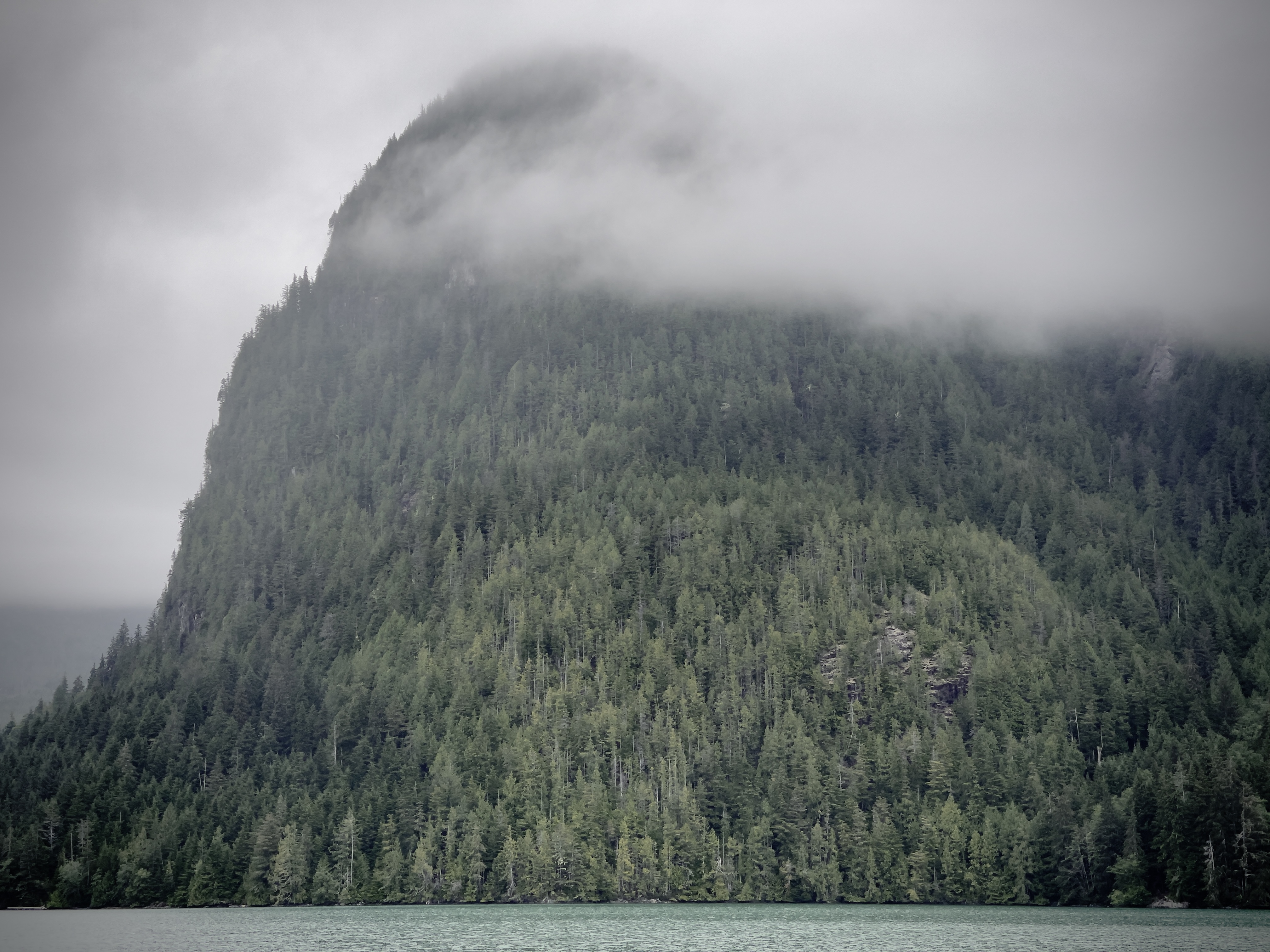
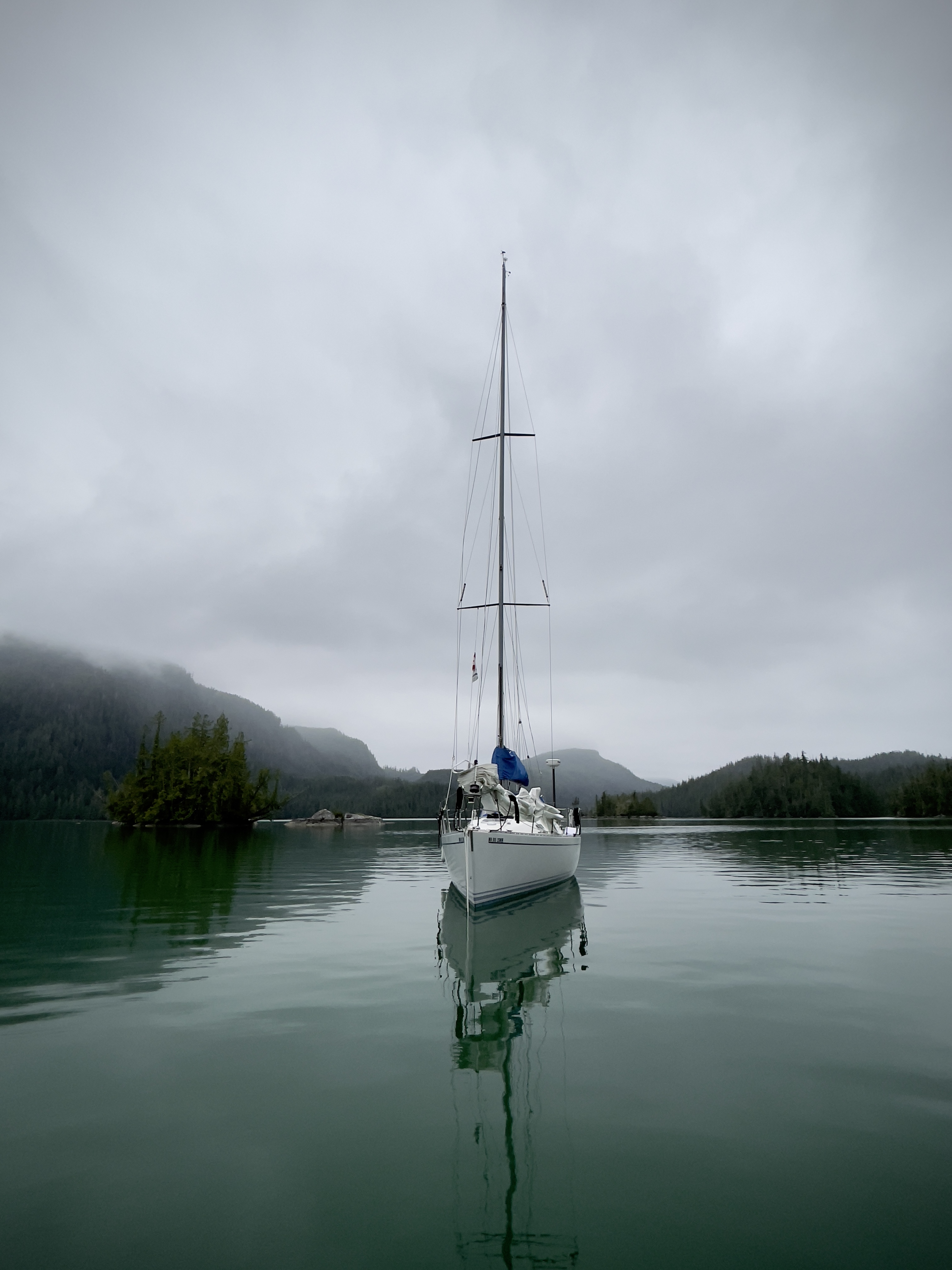
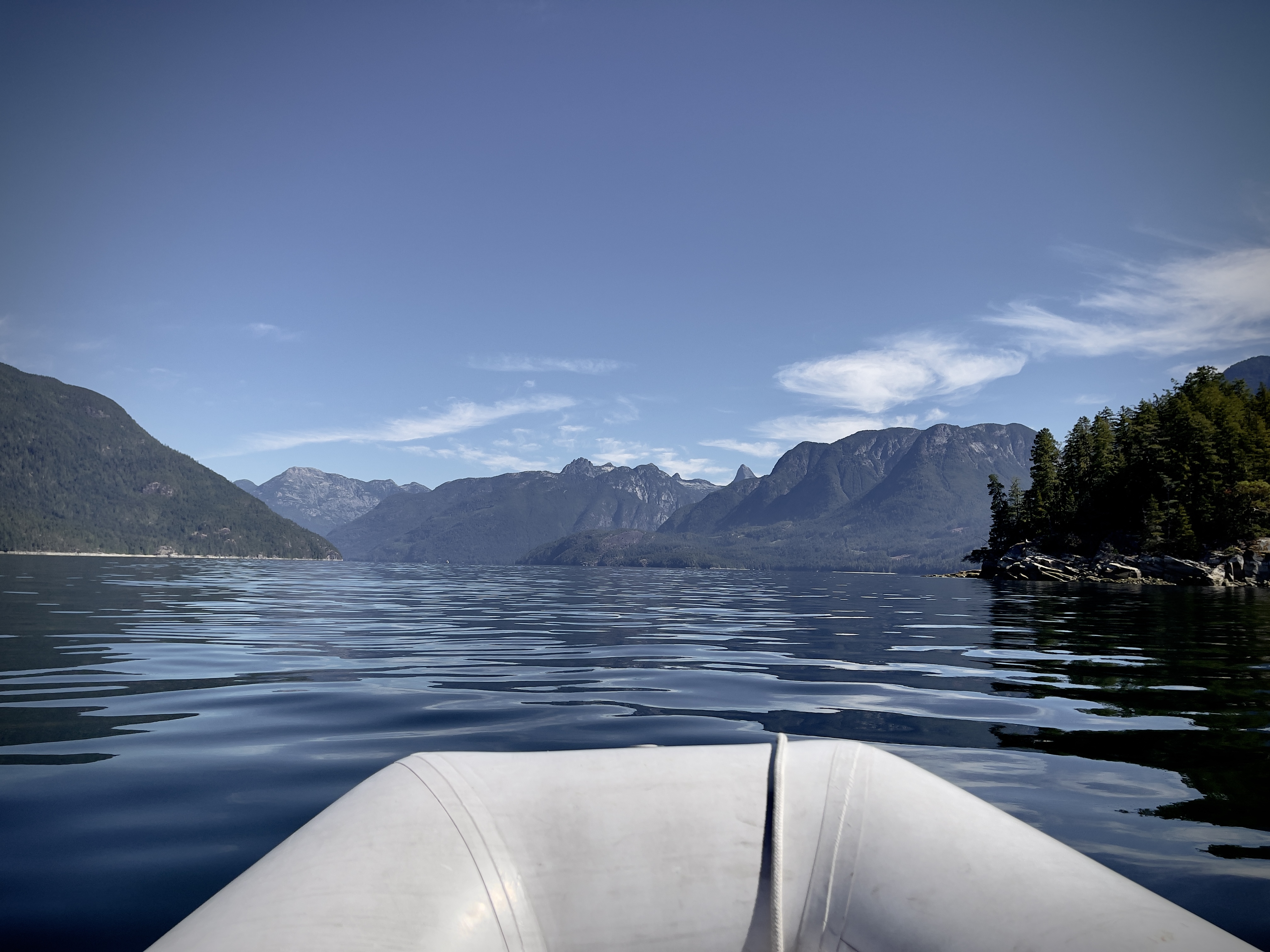
When we are in a marina we miss being “on the hook” (at anchor) in some quiet bay. This time we chose Simoom Sound and we were not too lucky since the clouds covered the high peaks while we were there. But we saw a black bear from the boat on shore only 300 feet from us. Impressive.

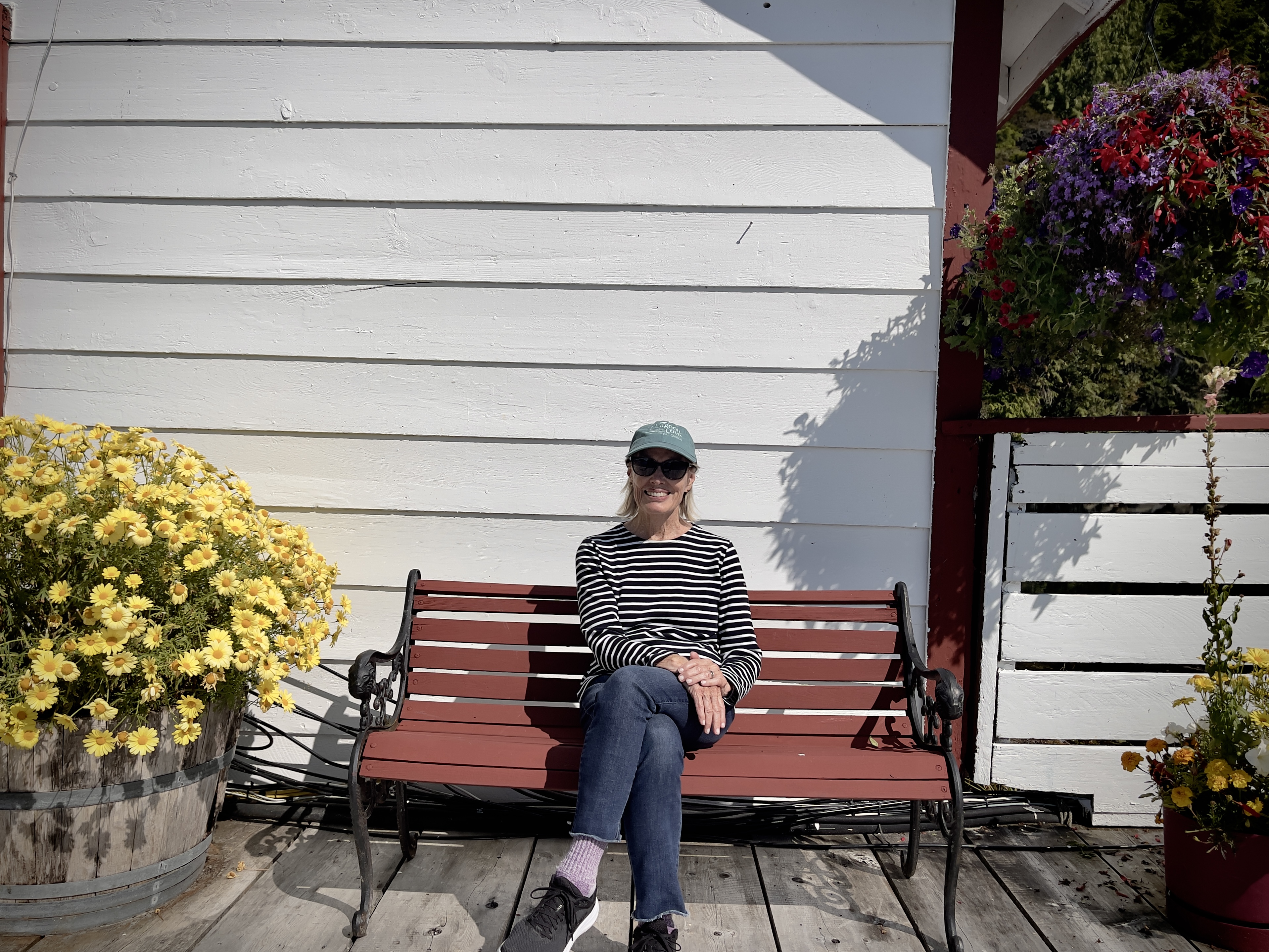
Lagoon Cove marina is known for its happy hour, when the owners share cooked shrimps and sauce. Guests bring an appetizer as a potluck to gather together and get to know each other. We met some sailors that had many more days in the water than ourselves and it’s always great to learn where they’ve been and where they are heading. When you do a little tour on their boats, you always learn ways to have your boat shipshape and ready to cruise. Williwaw gets a lot of attention as her European maker is intriguing to other sailors. In Desolation Sound, I met the person who installed an electric winch on Williwaw back in 2013. He flew to Anchorage to do it for Linda Kumin the previous owner. What a coincidence. Lagoon Cove was very picturesque and welcoming.

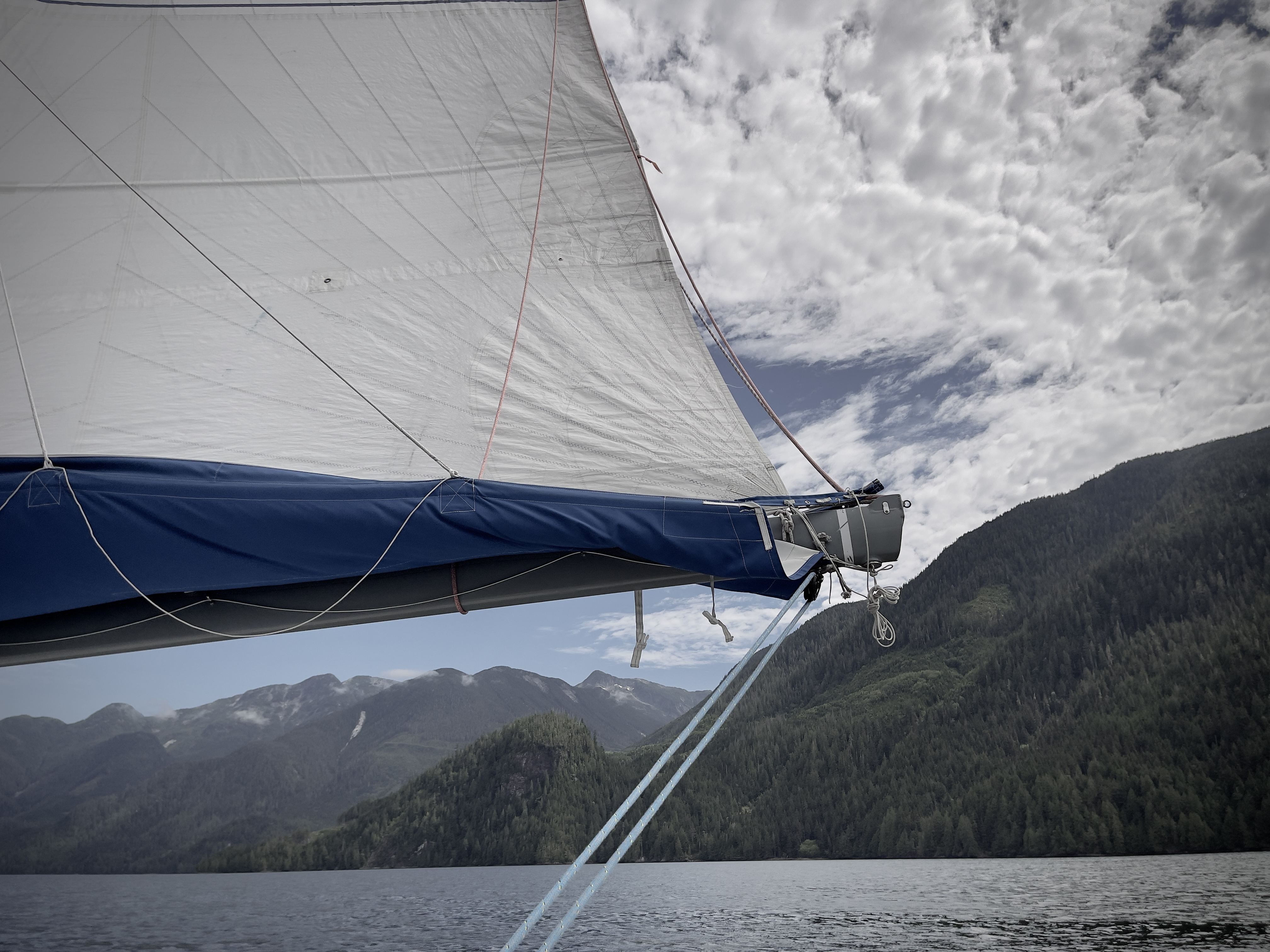
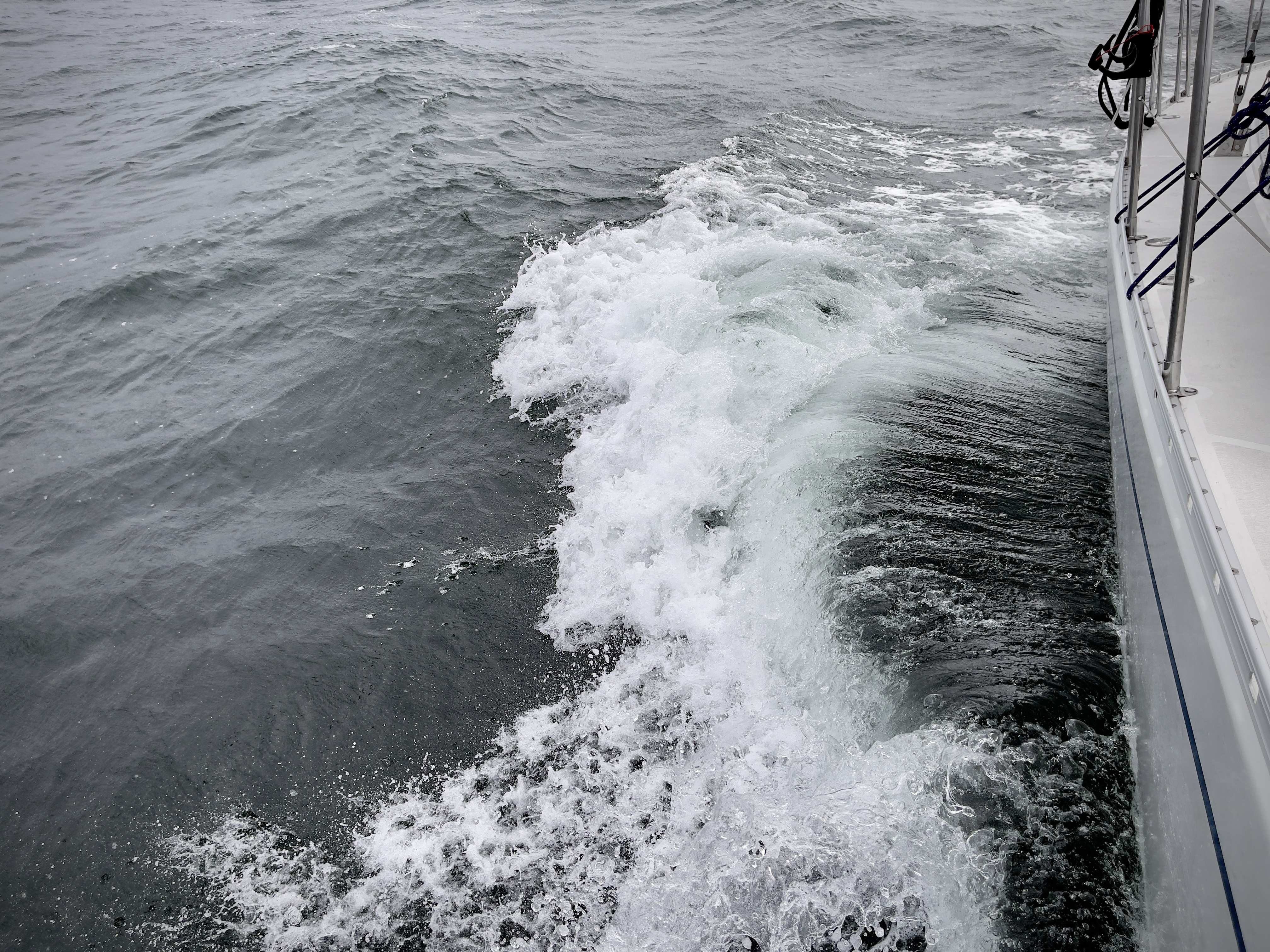
Johnstone Strait is a stretch of water that funnels winds and currents in a way that can be challenging. We avoided sailing in the Strait as much as we could. That means we sailed inside the Inside Passage timing certain passages to sync with the Slack time so the currents are almost inexistent. Douglas Bay was a great choice to gain some energy after our head sail tack broke at the loop. Basically, where the sail attaches to the drum. It wasn’t fun but we managed to take the sail down and try to fix it somehow. The bay was very protected and we ended up staying a couple of nights.

We can’t share pictures from the moment when all those dolphins swam along our boat crossing side to side under the hull and jumping off the water while we were sailing in a pretty good wind in the channels. When you are out there and see whales, dolphins, seals, or sea lions, it’s a reminder, a call that tell us how little we are by ourselves. It’s a treat, really, to share these waters as guests.

Blind Channel Marina is a small marina with some past German history. There is even a German Restaurant for the delight of the boaters that make it up there. You can only arrive by water either a floatplane or a boat. The trails are spectacular and one gets to enjoy being close to ancient cedar trees. Another beautiful place in the vicinity.

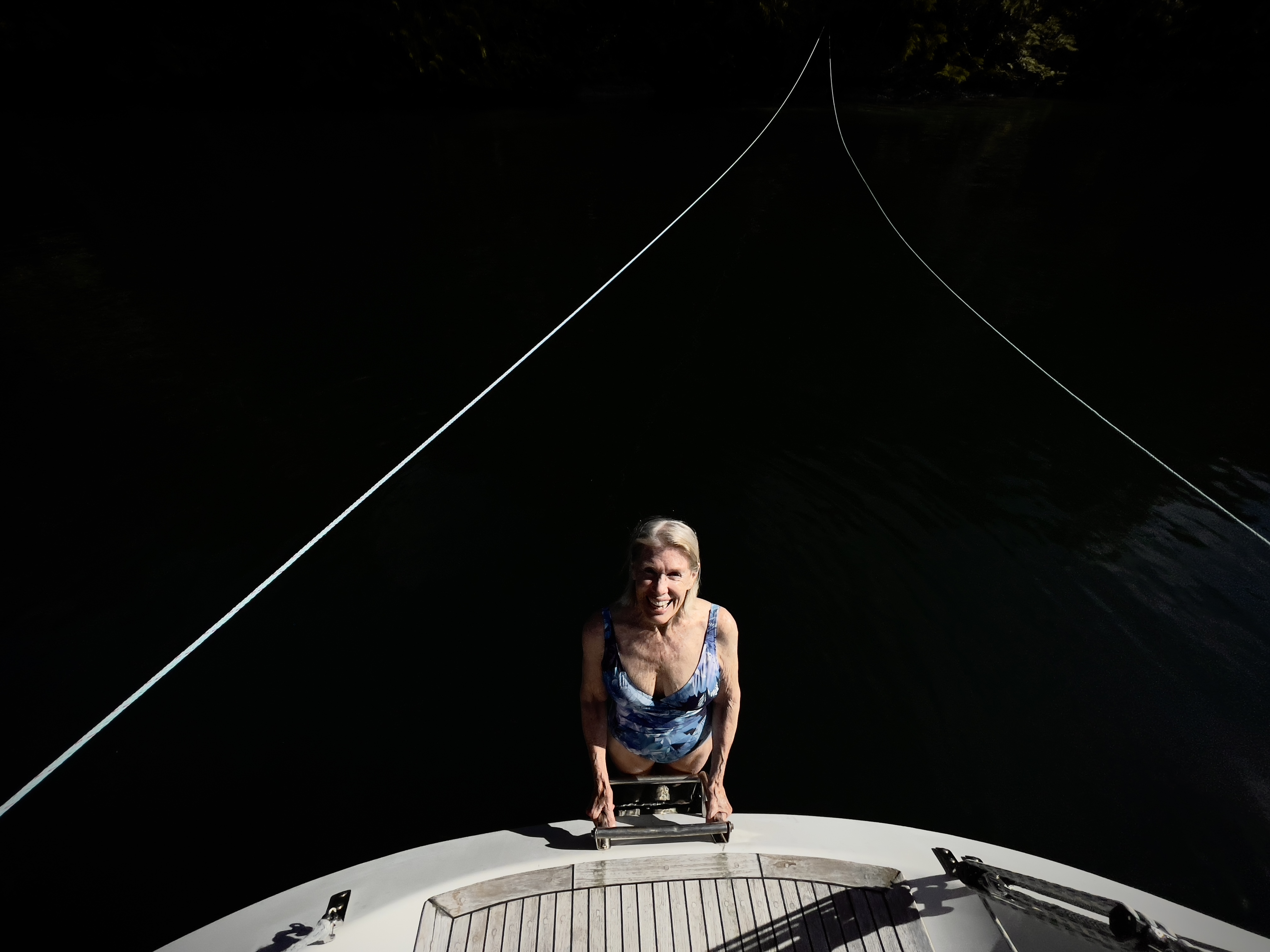
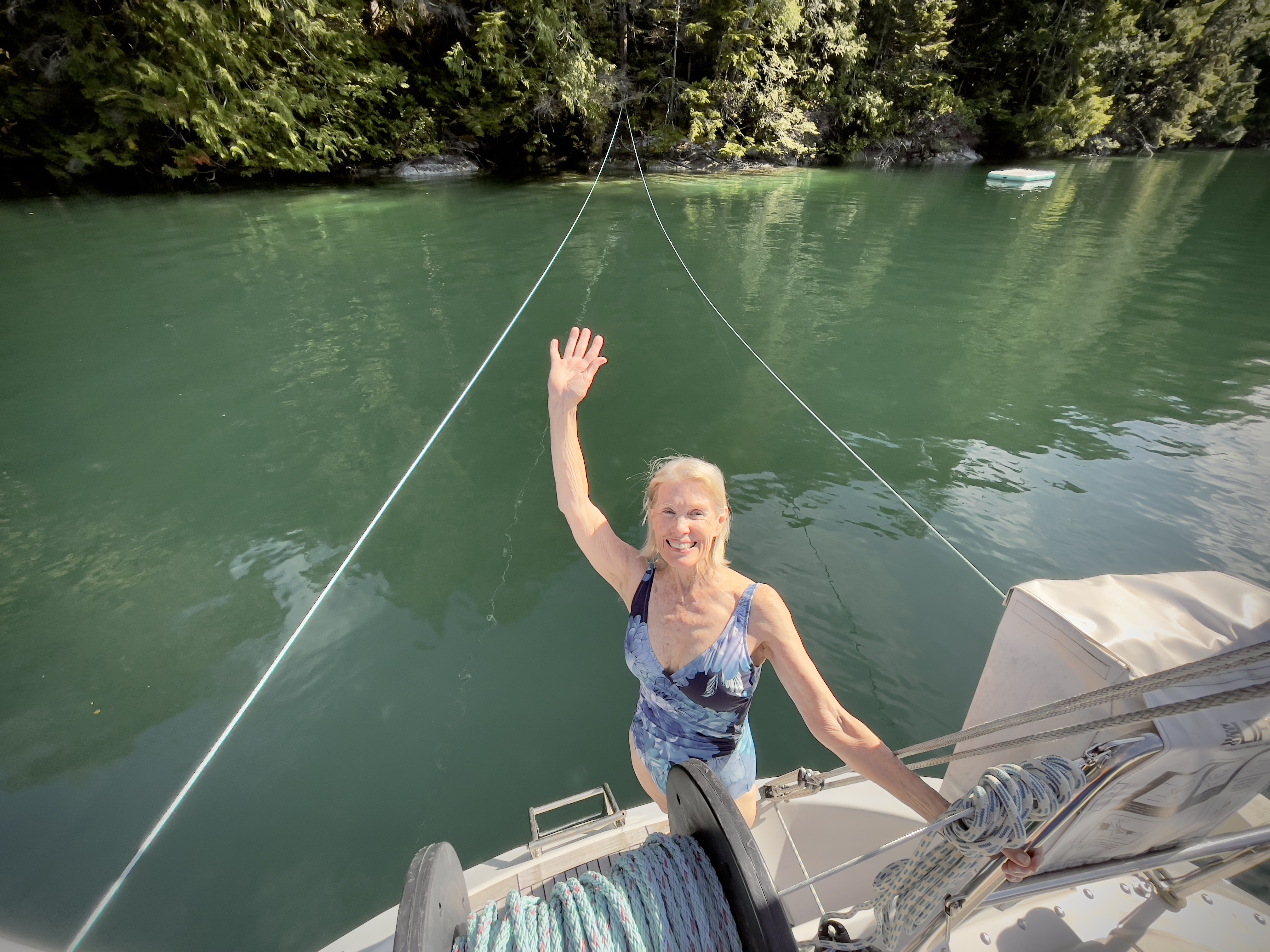
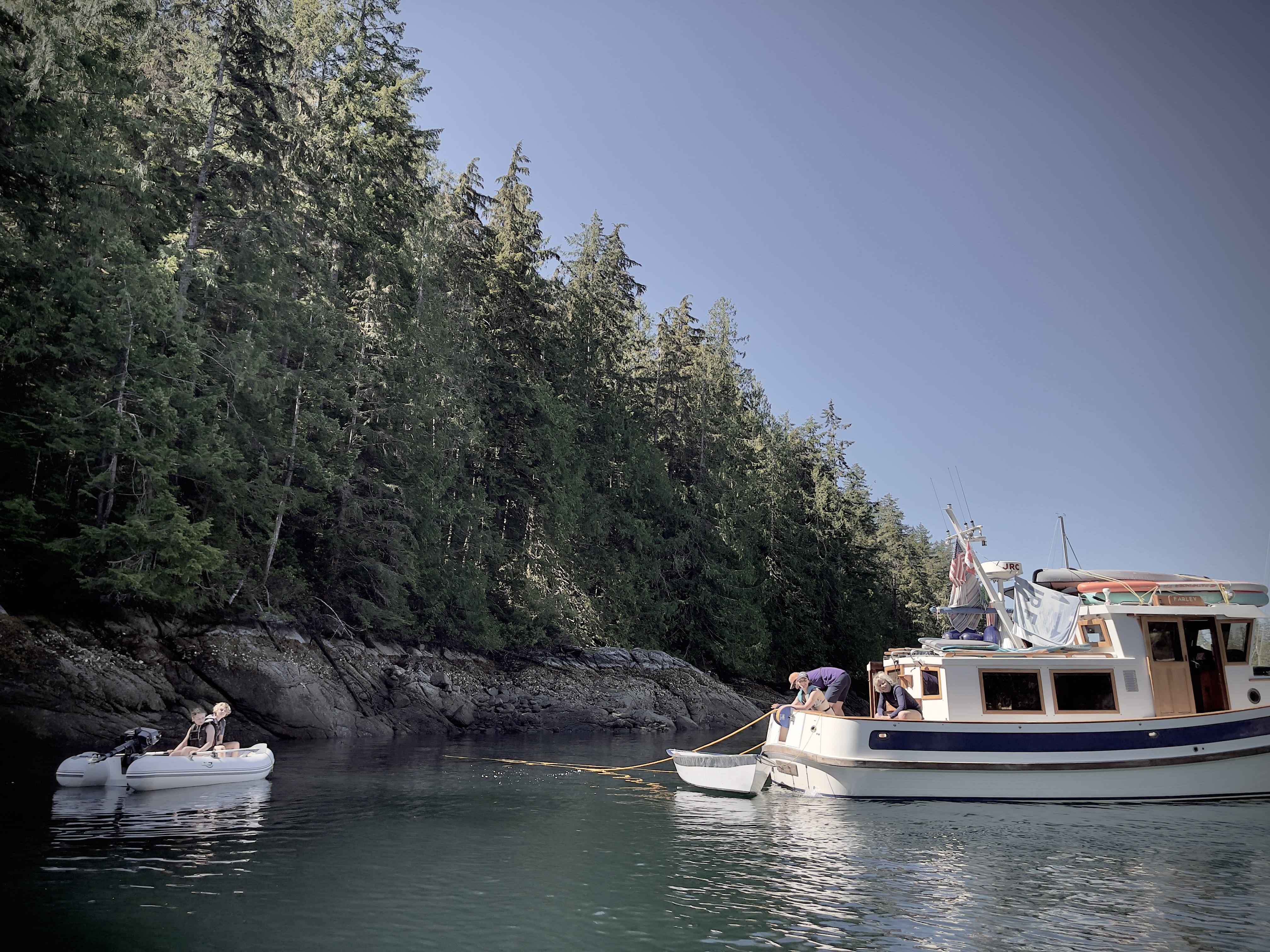
Captain George Vancouver didn’t see anything pleasant to the eye in these waters and that’s apparently the reason why this popular destination has such a negative name. The truth is that it is a beautiful sound surrounded by high peaks and the water is the hottest in the area, allowing boaters to swim in the summer reaching over 72º. Everywhere in the vicinity of the sound is considered to be Desolation Sound, including Cortes Bay, although, only the demarcated Sound in the chart is warm enough to swim. We enjoyed a few days at anchor at Laura Cove. We also ran a rope to shore from the stern to allow more boats to anchor. This prevents the boat from swinging the radius of the chain that you have deployed to anchor. After enjoying swimming, with no rush to go back on board, we gave some thought about taking the boat to a warmer destination like Bahamas.

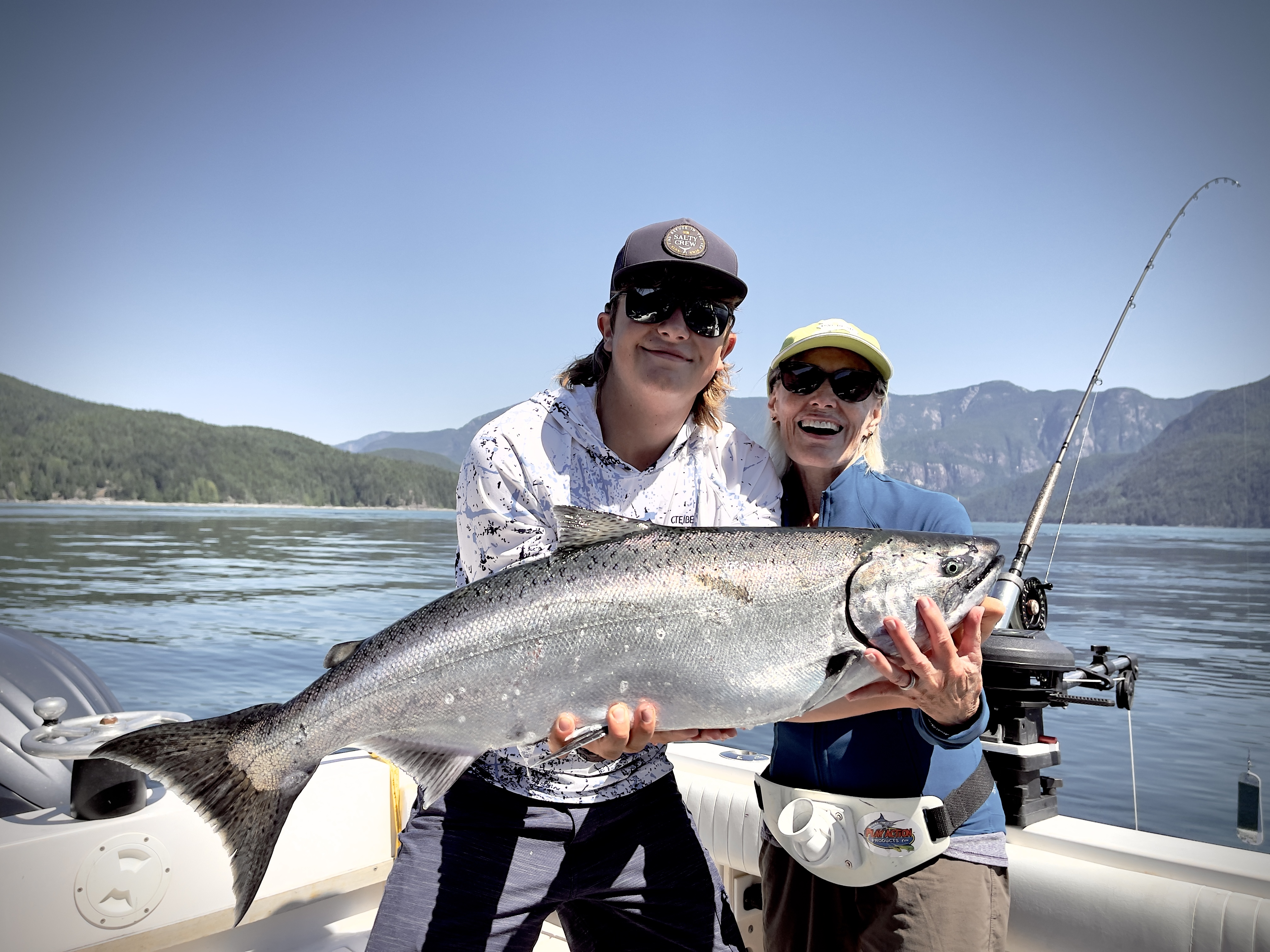
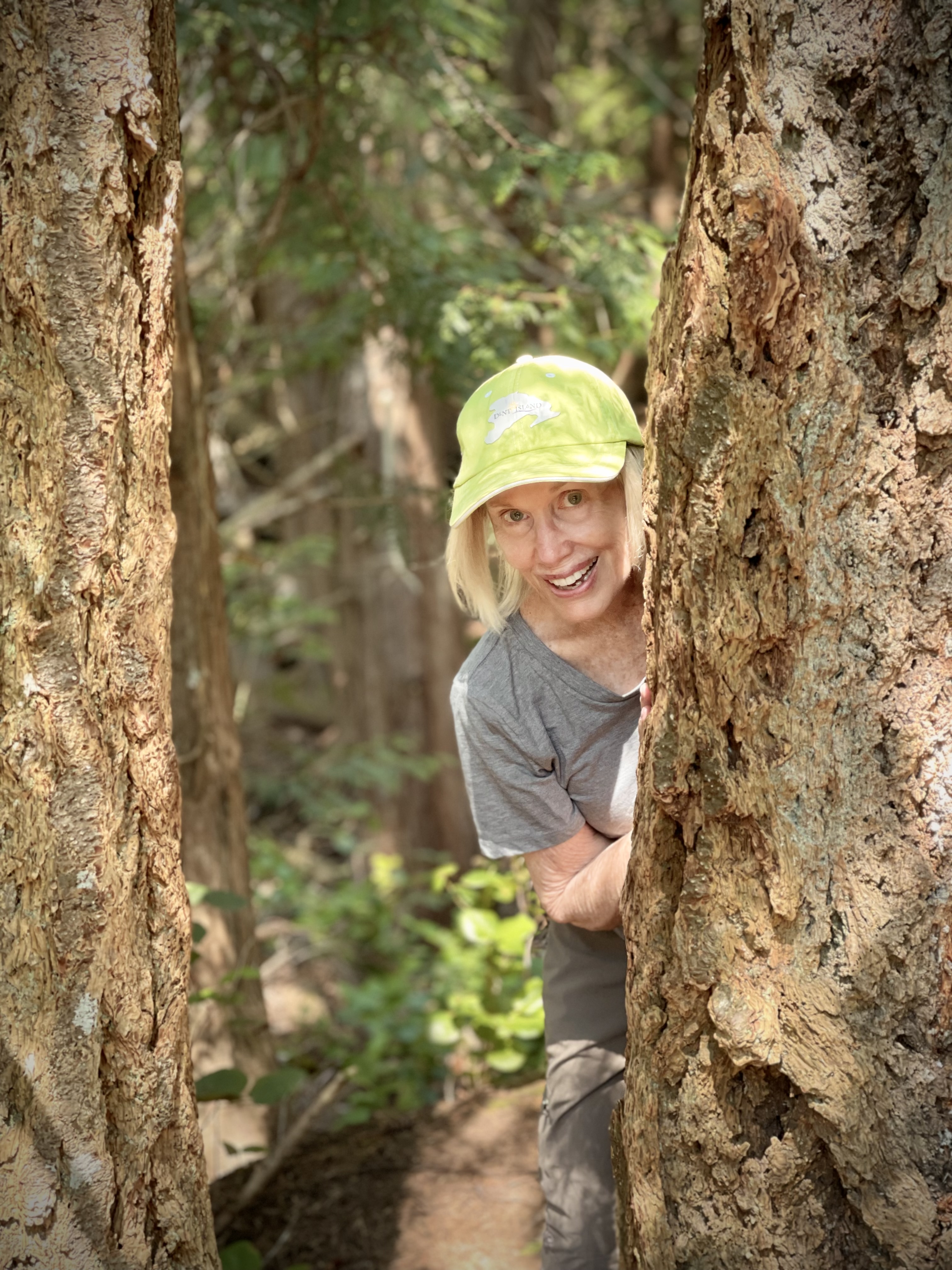
Dent Island didn’t disappoint especially when it came to fishing. Elizabeth caught a nice chinook over 20 pounds by herself.

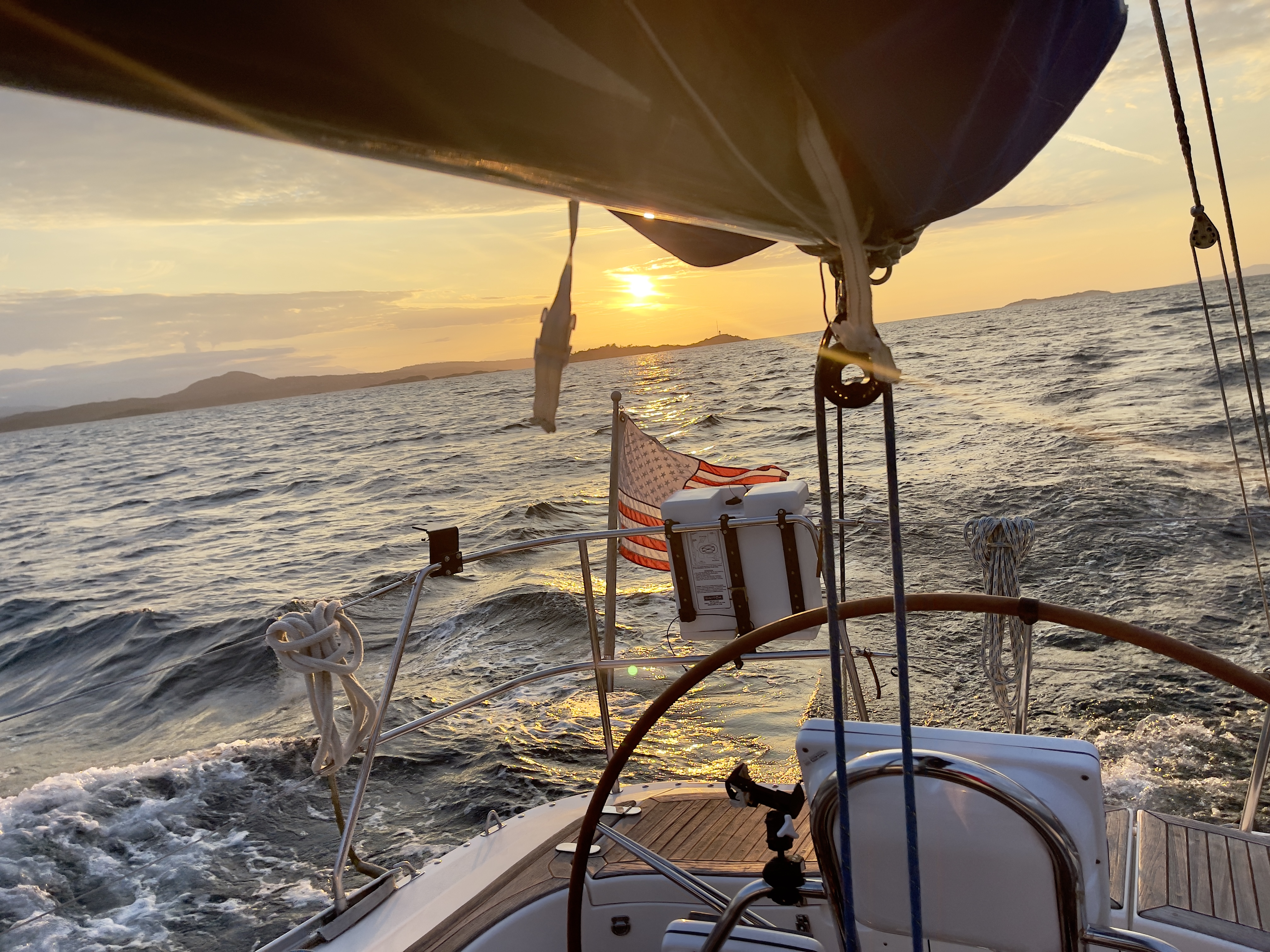
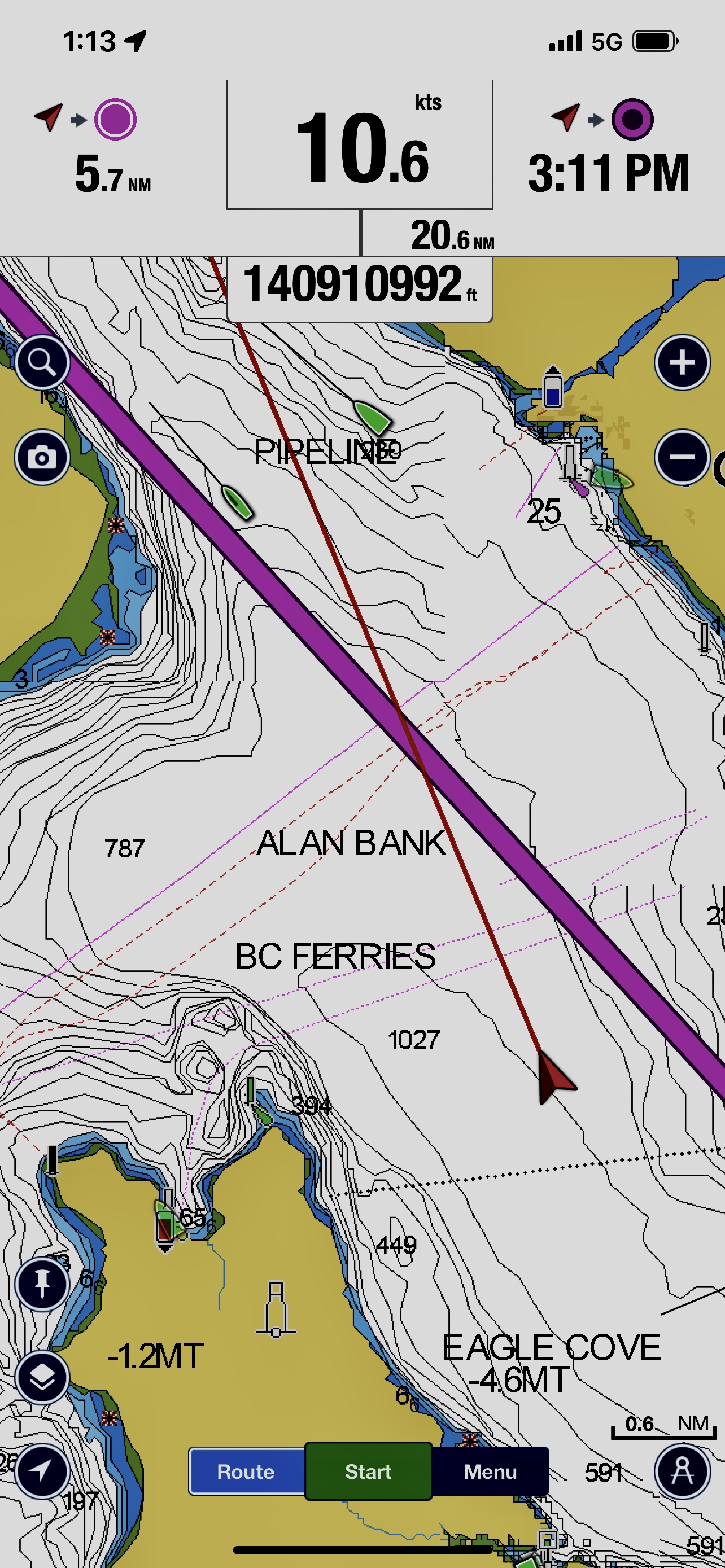
Sailing involves looking at the weather forecast given by different systems. There are apps and also Government websites for marine weather reports. In our case, we’re looking for wind and wind direction. Then currents and tides in our course to destination. We nailed it by choosing to leave the day we left from Garden Bay in Pender Harbor with a broad reach, fast but comfortable sail. You can see a screenshot of our Navionics, the app we use to sail these waters. A speed of 10 Knts is pretty good. Cortes Bay is our destination which is another outstation from the SYC (Seattle Yacht Club). It’s our favorite with Henry Island which is in the San Juan Islands next to Roche Harbor. But Cortes Bay has a special magic to it. We are surrounded by nature and migrating birds like Purple Martins. They come from Brazil and return at the end of August. They don’t need Navionics or any GPS app to make their way. Marv, the outstation manager keeps the place beautiful with a veggi garden with lettuce, tomatoes, zucchini, etc for us to enjoy. He whispers birds and nature.

SYC has an outstation called Garden Bay in Pender Harbor. We sailed all the way, enjoying a back wind or tail wind which makes the boat comfortable, although the current against made some waves. It was a fast sail all the way to the bay. We spent a couple days there doing some hikes and exploring the harbor with our dinghy.
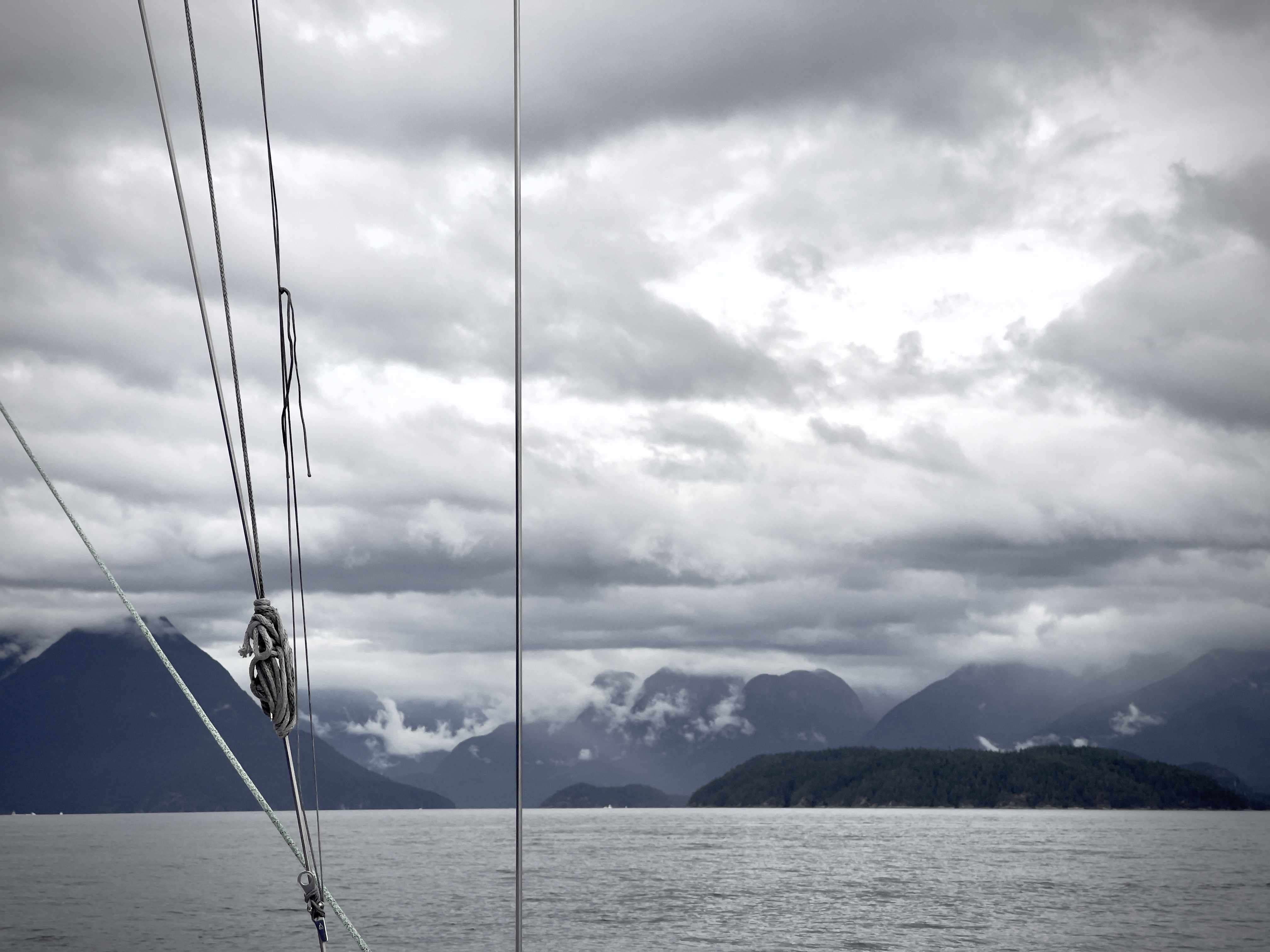
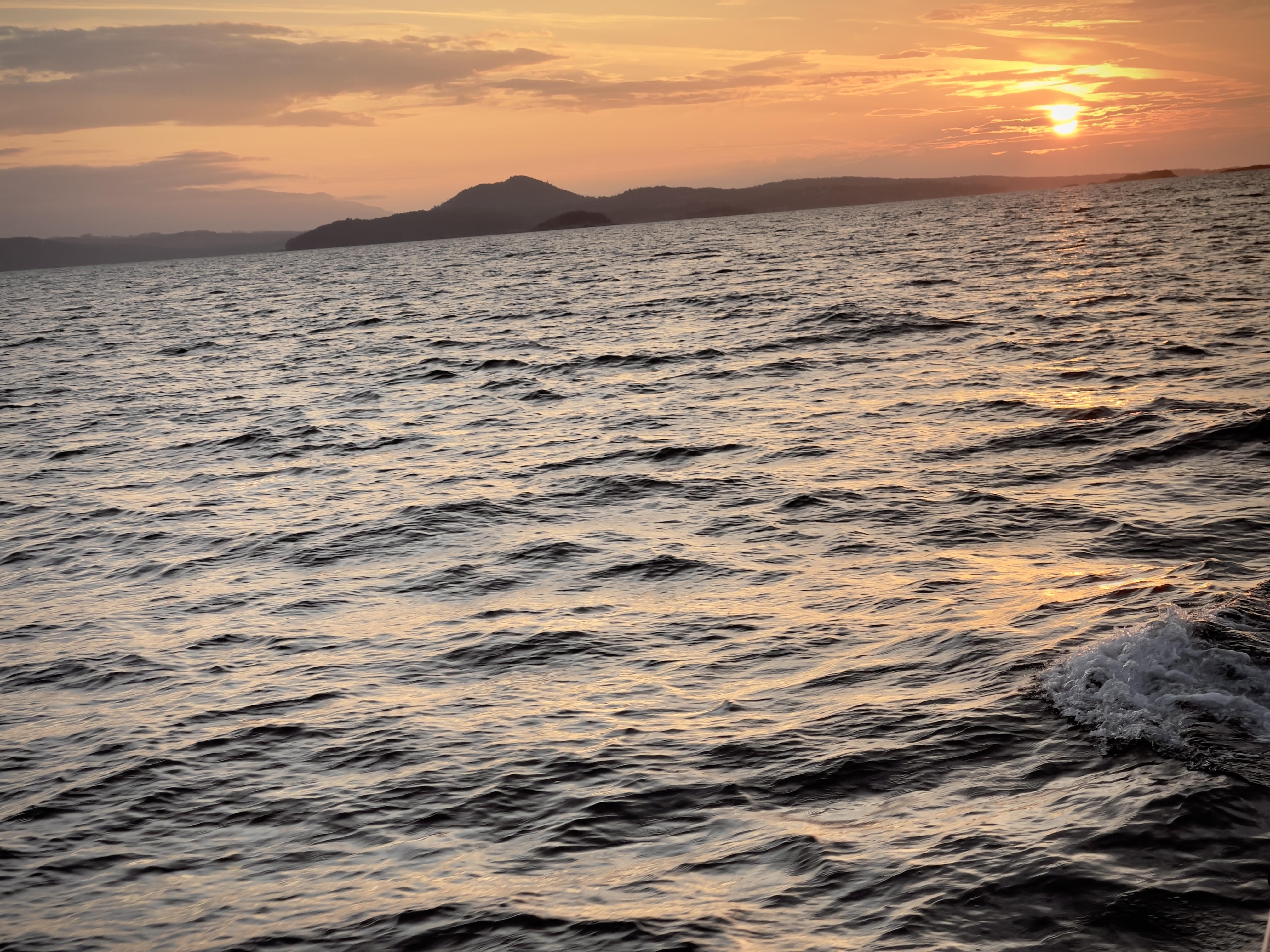
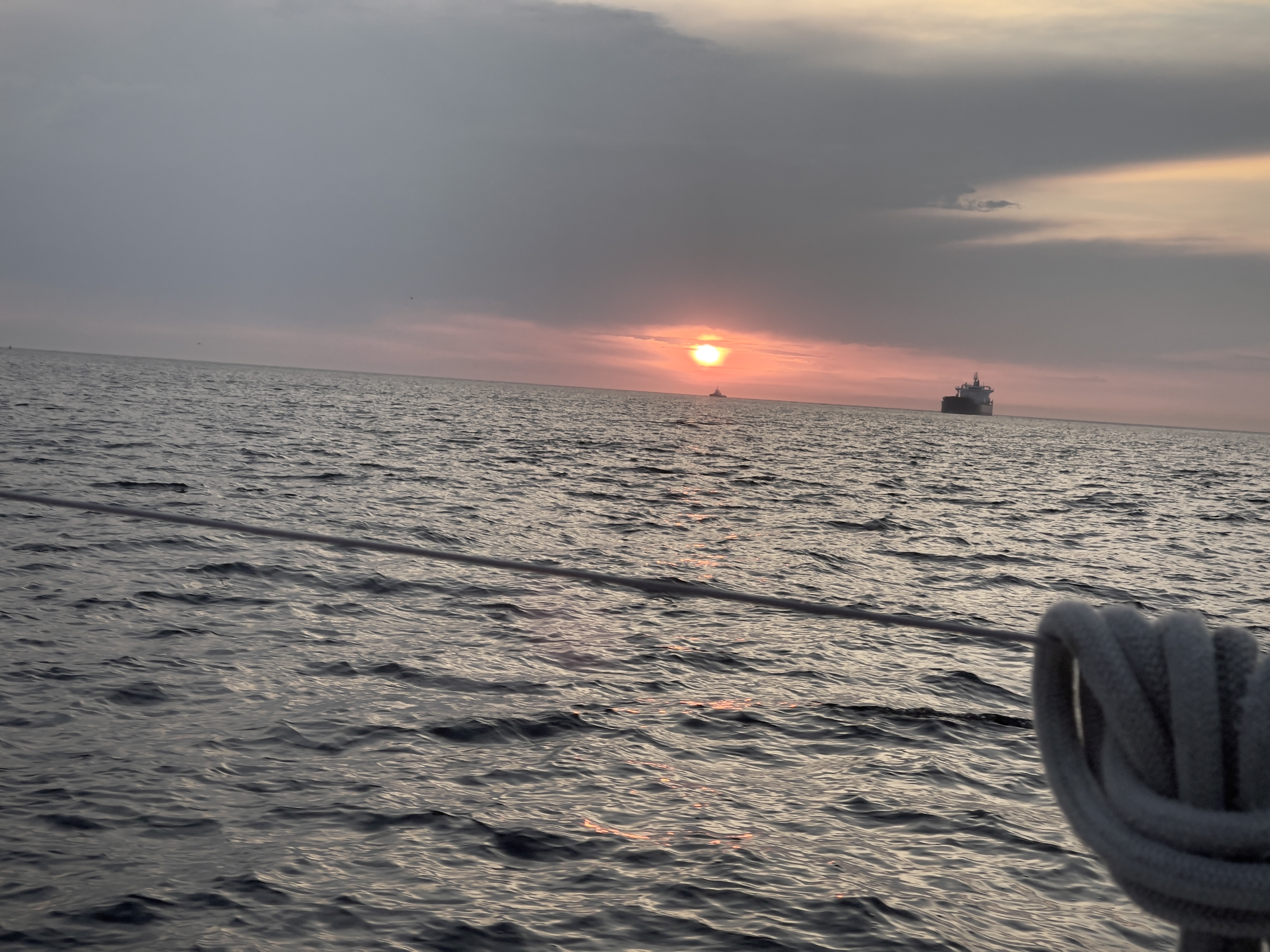
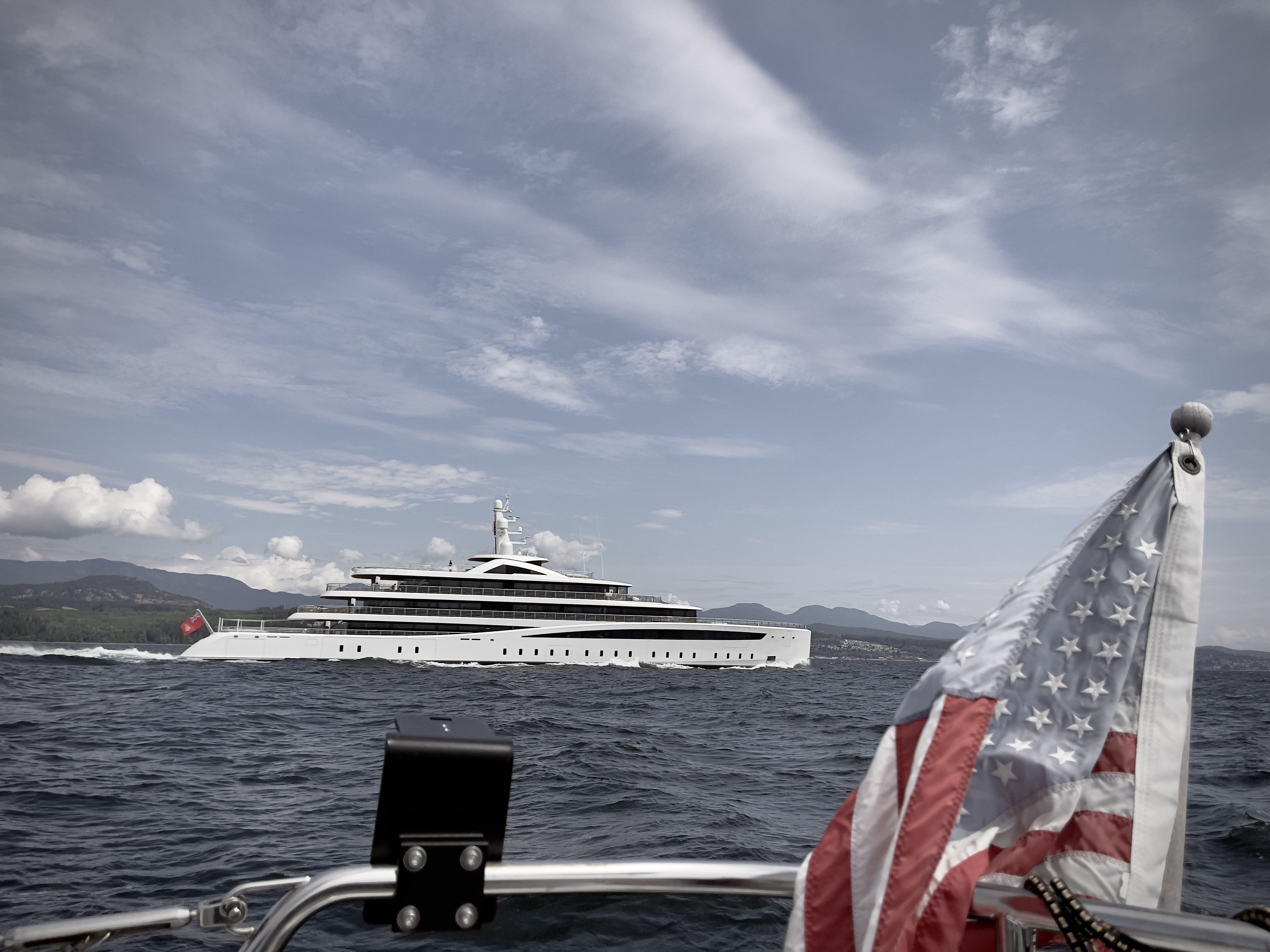
This means we are crossing the Strait of Georgia. It’s an interesting body of water already in the Inside Passage. It runs between the main land and the Island of Vancouver. The cruise ships that go to Alaska from Seattle go in this waters of the Inside Passage because it’s more protected.

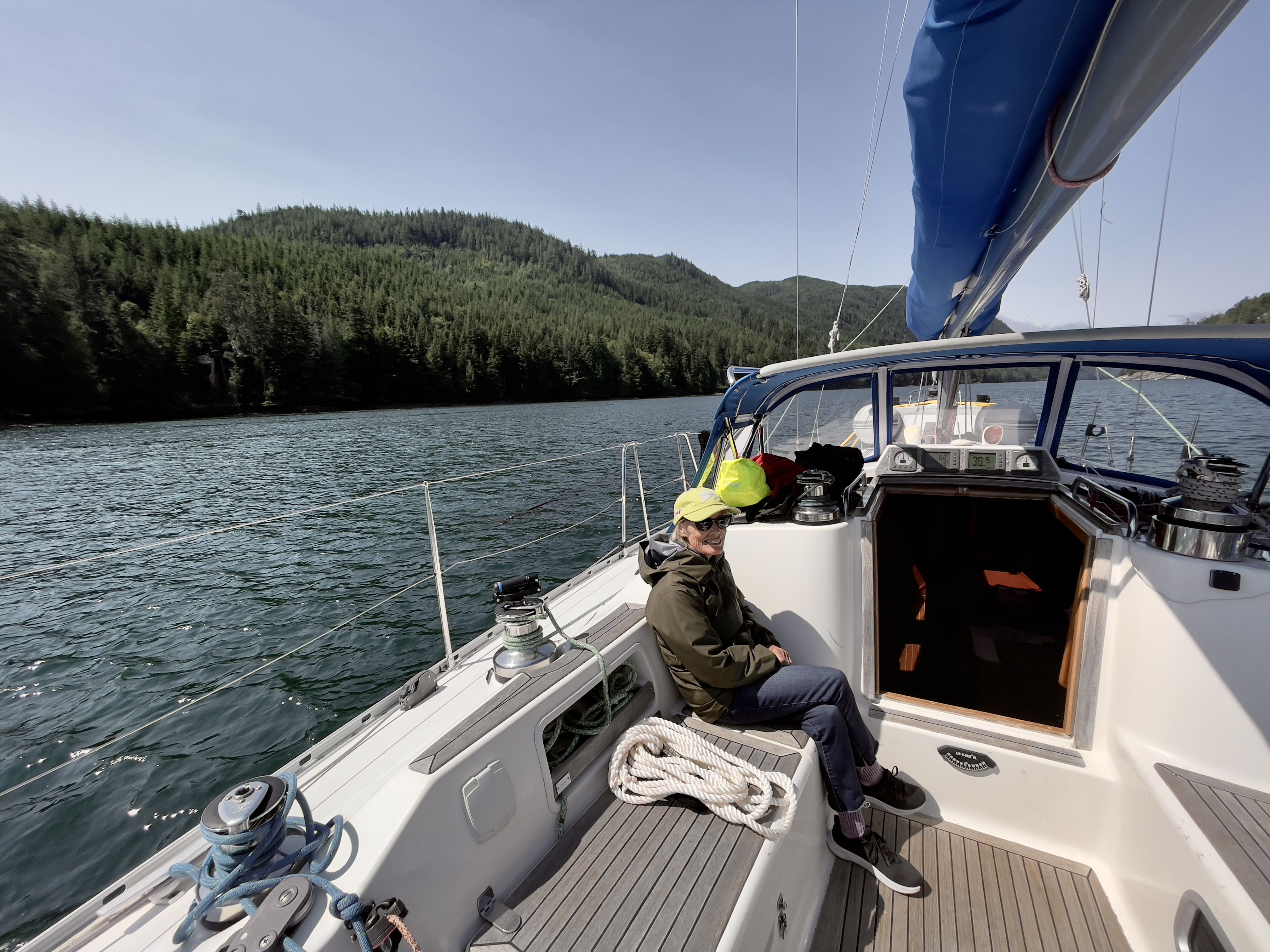
We were only able to sail half way and the other half motor in calm wind and blue sky. I felt good thinking that the water was not rough for Elizabeth’s comfort. Sailors have to time when leaving the Gulf Islands and entering the Strait of Georgia. The narrow channels on the way carry lots of current and whirlpools. But, in today’s world, an app does all the calculations for you to know when it’s a good time. Williwaw also has the AIS (Automatic Identification System) which allows me to know if there are any ferries crossing coming in the opposite direction.